


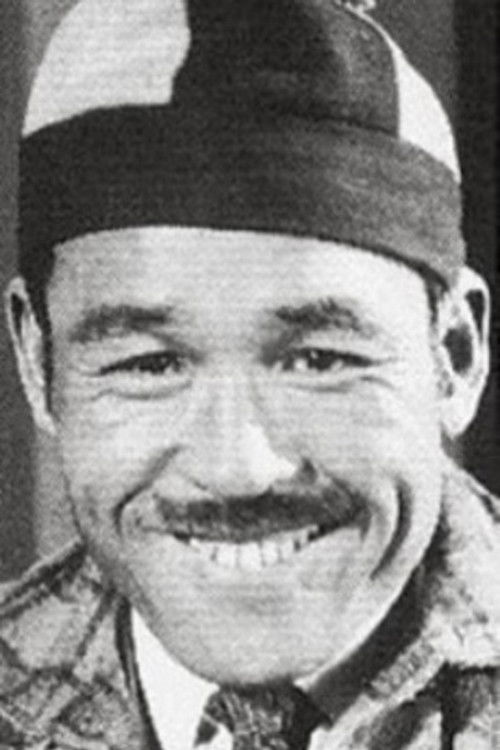
Yasujirō Shimazu
Biography
Yasujirō Shimazu (島津 保次郎, Shimazu Yasujirō, 3 June 1897 – 18 September 1945) was a Japanese film director and screenwriter, and a pioneer of the shōshimin-eiga (common people drama) genre at the Shōchiku studios in pre-World War II Japan.
Shimazu was born in Tokyo, the second son of merchant Otojirō Shimazu. His father owned a long-established seaweed business named Kōshū-ya directly in front of the main Mitsukoshi department store in Nihonbashi.
Shimazu entered Shōchiku in 1920 after answering an advertisement and began training under Kaoru Osanai. He gave his debut as director in 1921 at Shōchiku's recently established Kamata studio, directing both comedy and melodrama films, often depicting the everyday life of the lower middle classes. Our Neighbor, Miss Yae (1934) and A Brother and His Younger Sister (1939) are regarded as his most exemplary and best films.
By the end of the 1930s, he moved to Tōhō studios, where he made some films in cooperation with the Manchuria Film Association. He died of cancer just after the war ended. Many famous directors, such as Heinosuke Gosho, Shirō Toyoda, Kōzaburō Yoshimura, and Keisuke Kinoshita, started their careers as his assistant.
Personal Info
Known For
Directing
Known Credits
70
Gender
Male
Birthday
1897-06-03
Place of Birth
Tokyo, Japan
Also Known As
Ясудзиро Симадзу
Known For
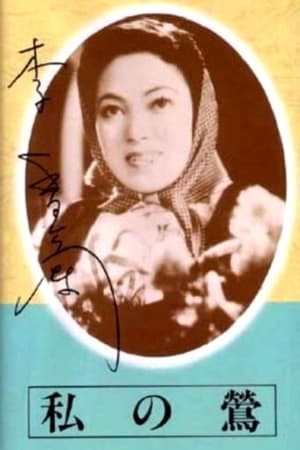 My Nightingale
 Arashi no naka no shojo
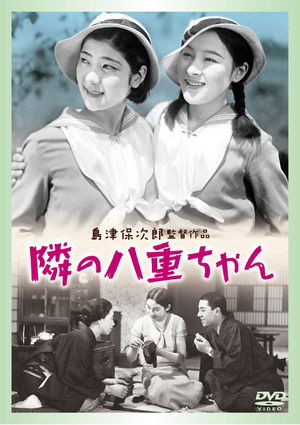 Our Neighbor, Miss Yae
That Night's Woman
Our Neighbor, Miss Yae
That Night's Woman
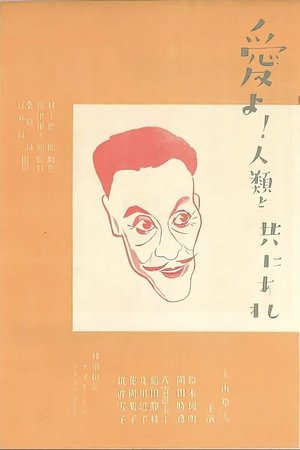 Love, Be with Humanity: Part 1
Love, Be with Humanity: Part 2
Love, Be with Humanity: Part 1
Love, Be with Humanity: Part 2
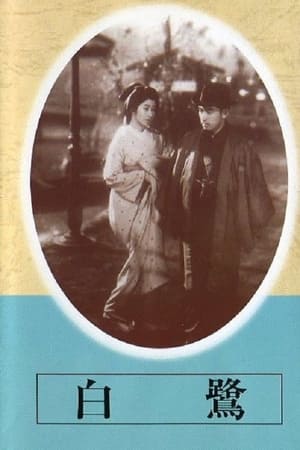 White Heron
 Green Earth
Father
Green Earth
Father
 The Trio's Engagements
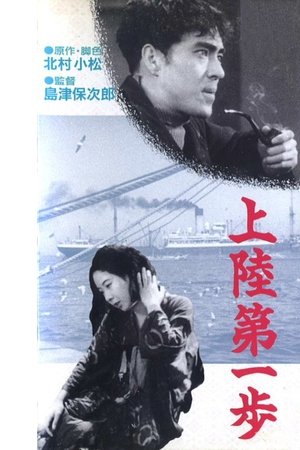 First Steps Ashore
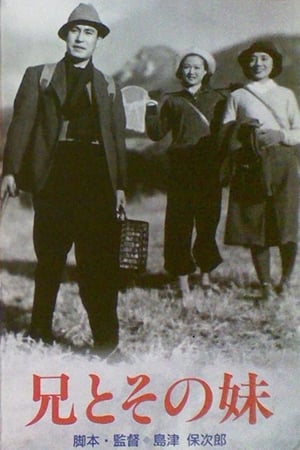 A Brother and His Younger Sister
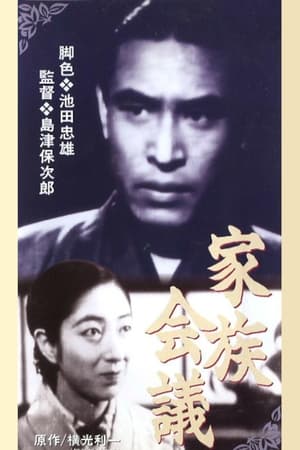 Family Meeting
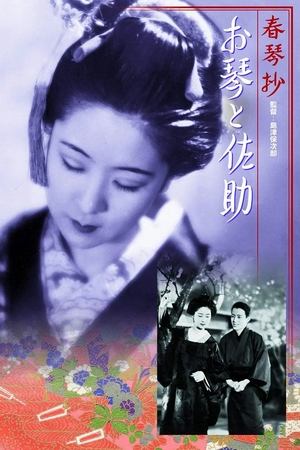 Okoto and Sasuke
 ABC Lifeline
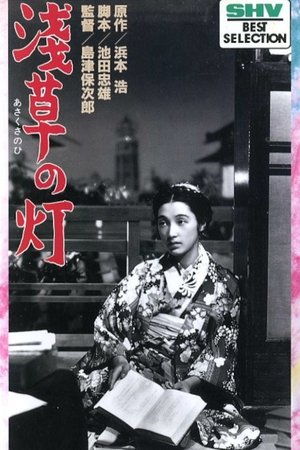 The Lights of Asakusa
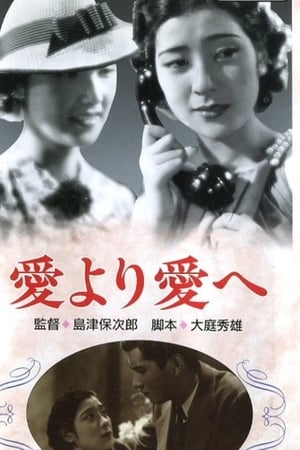 So Goes My Love
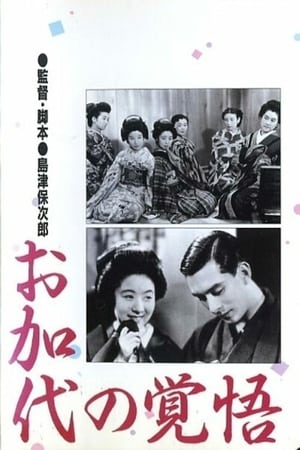 Okayo's Preparedness
 Umi mo yusha
 Men vs. Women
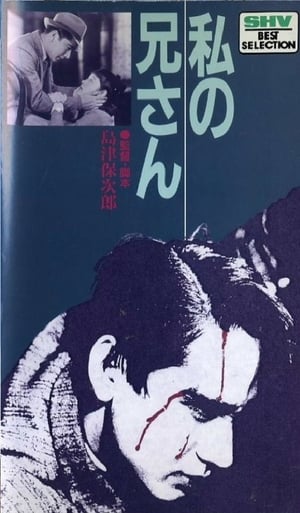 My Elder Brother
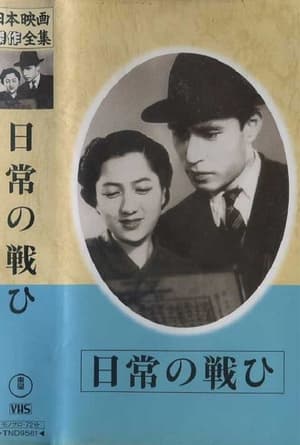 Nichijô no tatakai
 Osayo Koi Sugata
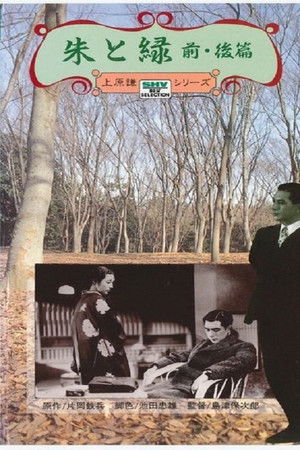 Vermilion and Green
 Wedding Day
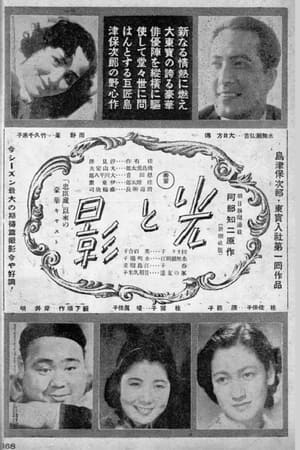 Hikari to kage (Zenpen)
Hikari to kage (Kōhen)
Reijin
Yama no senroban
Scenes of Love
Brave Love
Nature Is the Judge
Hikari to kage (Zenpen)
Hikari to kage (Kōhen)
Reijin
Yama no senroban
Scenes of Love
Brave Love
Nature Is the Judge
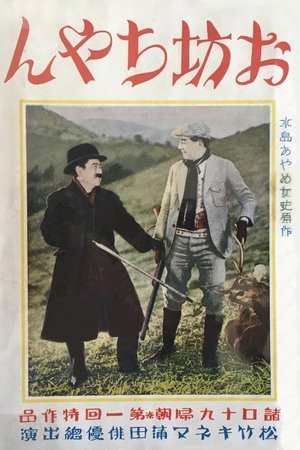 Young Master
If Only She...
Young Master
If Only She...
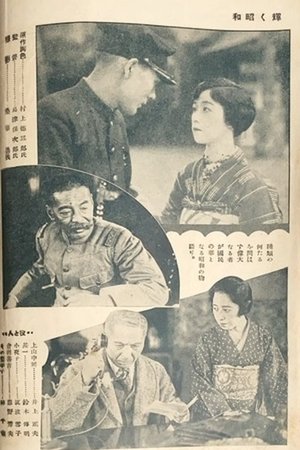 The Glory of the Shōwa Era
Echigo Lion
The Great Ship
The Glory of the Shōwa Era
Echigo Lion
The Great Ship
 ABC Lifeline: Fujieda Chapter
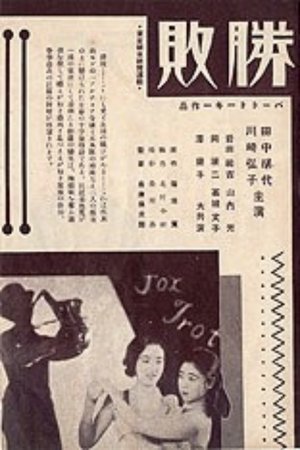 Victory or Defeat
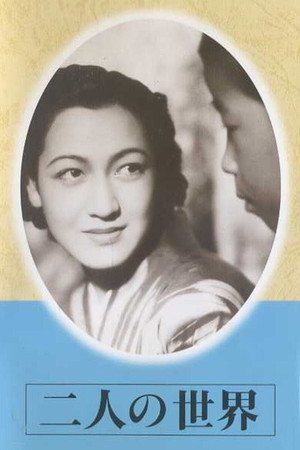 A World of Two
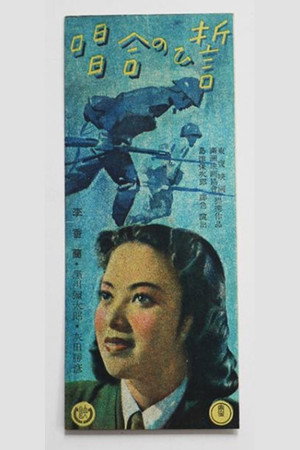 Chorus of Prayer