


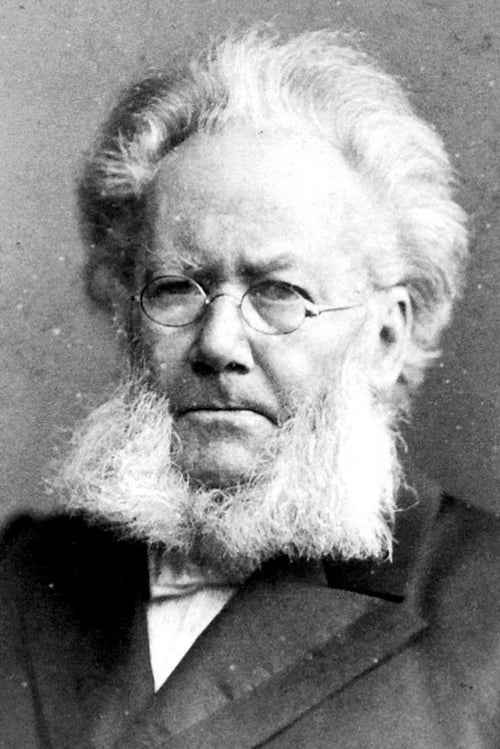
Henrik Ibsen
Biography
From Wikipedia, the free encyclopedia
Henrik Johan Ibsen (20 March 1828 – 23 May 1906) was a Norwegian playwright and theatre director. As one of the founders of modernism in theatre, Ibsen is often referred to as "the father of realism" and one of the most influential playwrights of his time. His major works include Brand, Peer Gynt, An Enemy of the People, Emperor and Galilean, A Doll's House, Hedda Gabler, Ghosts, The Wild Duck, When We Dead Awaken, Rosmersholm, and The Master Builder. He is the most frequently performed dramatist in the world after Shakespeare, and A Doll's House was the world's most performed play in 2006.
Ibsen's early poetic and cinematic play Peer Gynt has strong surreal elements. After Peer Gynt Ibsen abandoned verse and wrote in realistic prose. Several of his later dramas were considered scandalous to many of his era, when European theatre was expected to model strict morals of family life and propriety. Ibsen's later work examined the realities that lay behind the facades, revealing much that was disquieting to a number of his contemporaries. He had a critical eye and conducted a free inquiry into the conditions of life and issues of morality. In many critics' estimates The Wild Duck and Rosmersholm are "vying with each other as rivals for the top place among Ibsen's works"; Ibsen himself regarded Emperor and Galilean as his masterpiece.
Ibsen is often ranked as one of the most distinguished playwrights in the European tradition. He is widely regarded as the foremost playwright of the nineteenth century. He influenced other playwrights and novelists such as George Bernard Shaw, Oscar Wilde, Arthur Miller, James Joyce, Eugene O'Neill, and Miroslav Krleža. Ibsen was nominated for the Nobel Prize in Literature in 1902, 1903, and 1904.
Ibsen wrote his plays in Danish (the common written language of Denmark and Norway during his lifetime) and they were published by the Danish publisher Gyldendal. Although most of his plays are set in Norway—often in places reminiscent of Skien, the port town where he grew up—Ibsen lived for 27 years in Italy and Germany, and rarely visited Norway during his most productive years. Born into a patrician merchant family, the intertwined Ibsen and Paus family, Ibsen shaped his dramas according to his family background and often modeled characters after family members. He was the father of Prime Minister Sigurd Ibsen. Ibsen's dramas had a strong influence upon contemporary culture.
Personal Info
Known For
Writing
Known Credits
138
Gender
Male
Birthday
1828-03-20
Place of Birth
Skien, Telemark, Norway
Also Known As
Henrik Johan Ibsen, Henrik Ibsén, Henryk Ibsen, Enric Ibsen, Enrique Ibsen, Ibsen, The Father of Modern Drama, Генрик Ибсен, Г. Ибсен
Known For
 Carl Størmer and his Detective Camera
 La donna del mare
 Ghosts
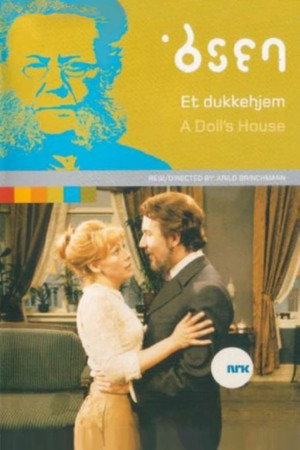 A Doll's House
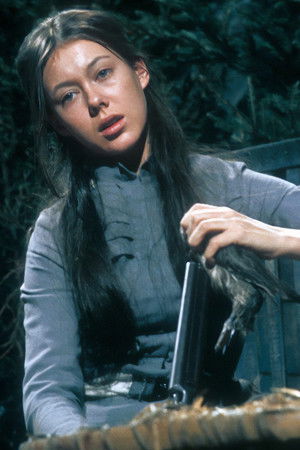 The Wild Duck
 Brand
Brand
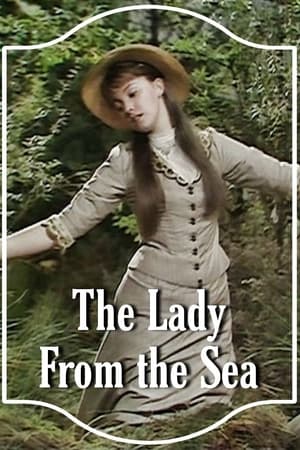 The Lady from the Sea
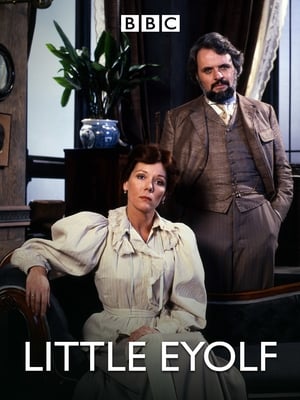 Little Eyolf
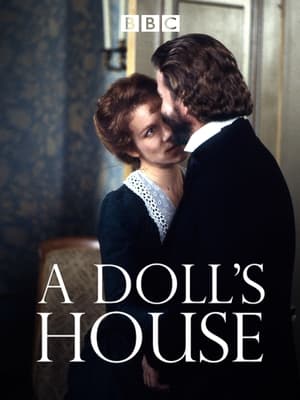 A Doll's House
 Enemy of the People
 Rosmersholm
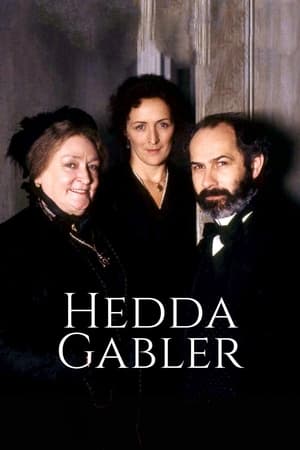 Hedda Gabler
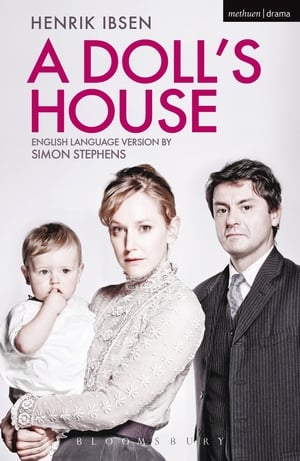 A Doll's House
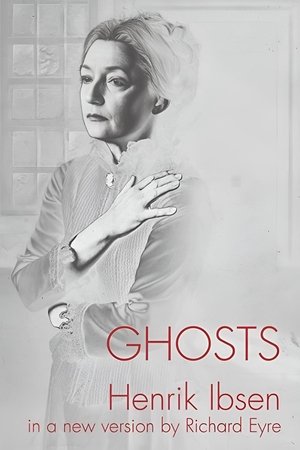 Ghosts
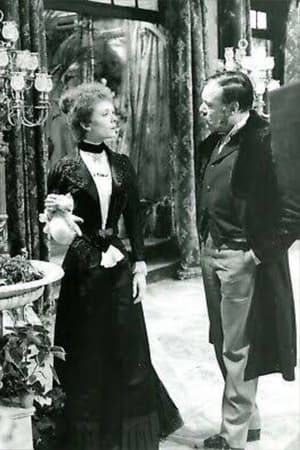 Hedda Gabler
Nora
Hedda Gabler
Nora
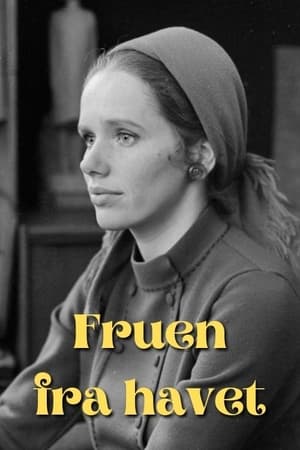 The Lady from the Sea
John Gabriel Borkman
The Lady from the Sea
John Gabriel Borkman
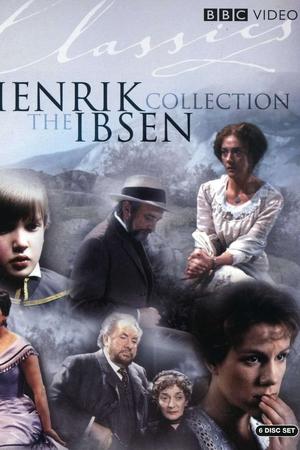 The Master Builder
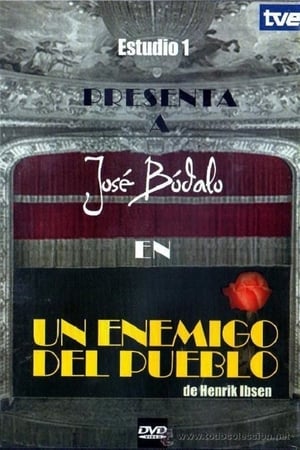 Un enemigo del pueblo
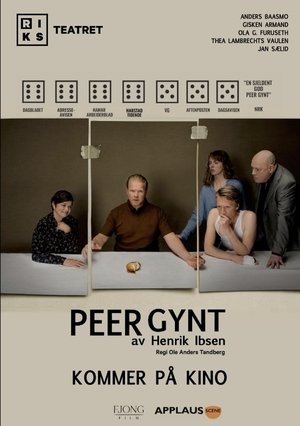 Peer Gynt
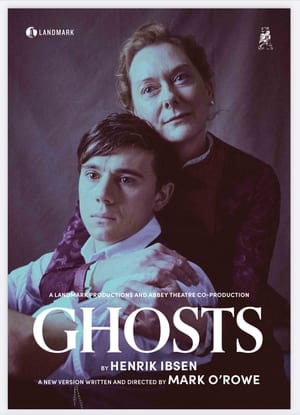 Ghosts
The House of Lies
Ghosts
The House of Lies
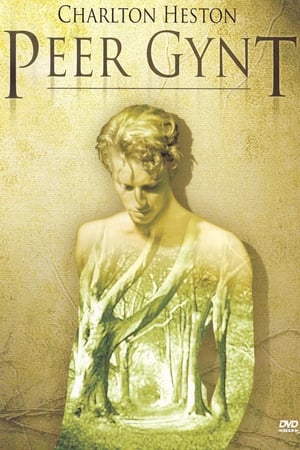 Peer Gynt
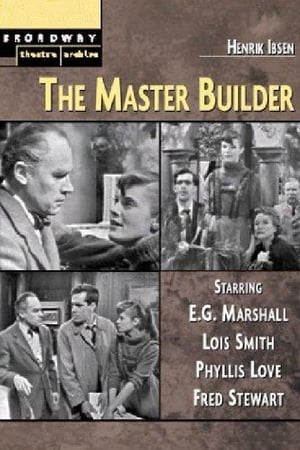 The Master Builder
Pillars of Society
The Master Builder
Pillars of Society
 The Master Builder
An Enemy of the People
The Master Builder
An Enemy of the People
 Hedda Gabler
 John Gabriel Borkman
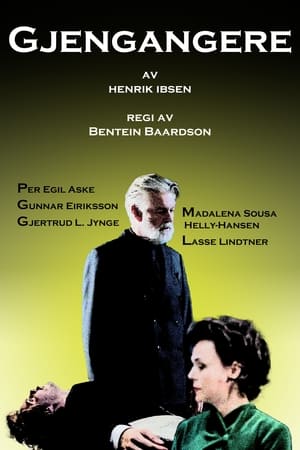 Gjengangere
The Master Builder
Gjengangere
The Master Builder
 Casa di bambola
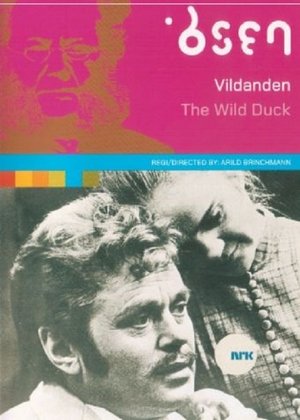 The Wild Duck
 The Lady from the Sea
 Peer Gynt
 A Doll's House
 Baumeister Solness
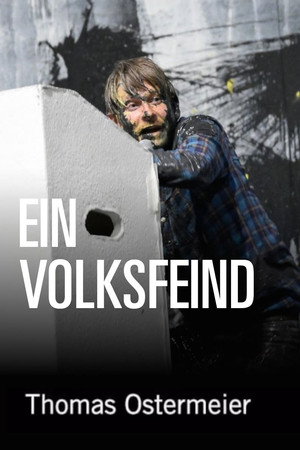 Ein Volksfeind