


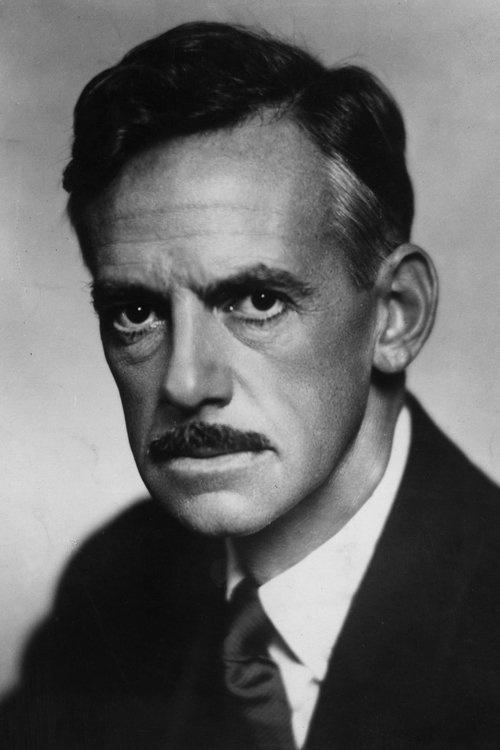
Eugene O'Neill
Biography
Eugene Gladstone O'Neill (October 16, 1888 – November 27, 1953) was an American playwright and Nobel laureate in literature. His poetically titled plays were among the first to introduce into U.S. drama techniques of realism earlier associated with Russian playwright Anton Chekhov, Norwegian playwright Henrik Ibsen, and Swedish playwright August Strindberg. The tragedy Long Day's Journey into Night is often numbered on the short list of the finest U.S. plays in the 20th century, alongside Tennessee Williams's A Streetcar Named Desire and Arthur Miller's Death of a Salesman.
O'Neill's plays were among the first to include speeches in American English vernacular and involve characters on the fringes of society. They struggle to maintain their hopes and aspirations, but ultimately slide into disillusionment and despair. Of his very few comedies, only one is well-known (Ah, Wilderness!). Nearly all of his other plays involve some degree of tragedy and personal pessimism.
Description above from the Wikipedia article Eugene O'Neill, licensed under CC-BY-SA, full list of contributors on Wikipedia.
Personal Info
Known For
Writing
Known Credits
52
Gender
Male
Birthday
1888-10-16
Place of Birth
New York City, New York, USA
Also Known As
იუჯინ ო’ნილი
Known For
 Public Speaking
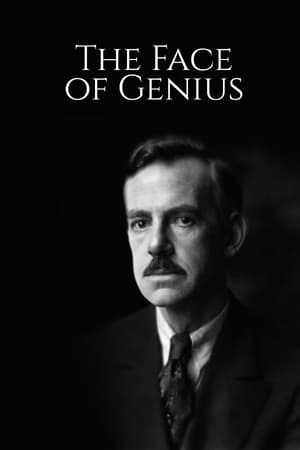 The Face of Genius
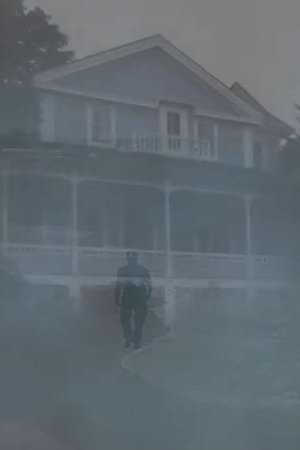 The Monte Cristo Cottage: Boyhood Home of Eugene O'Neill
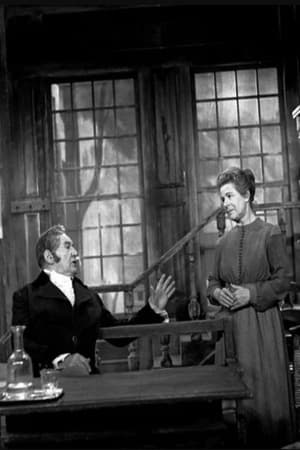 Fast ein Poet
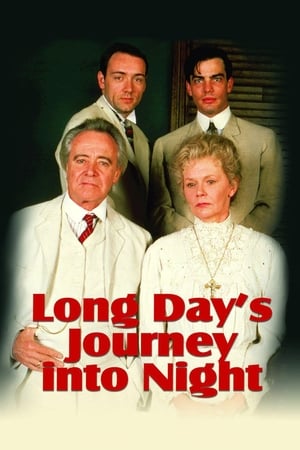 Long Day's Journey Into Night
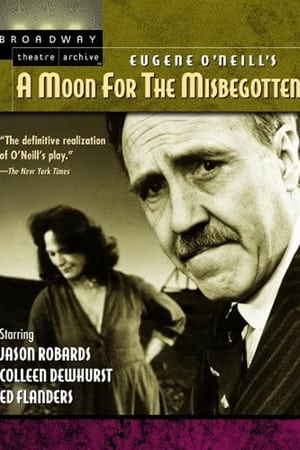 A Moon for the Misbegotten
 Long Day's Journey Into Night
 Marco Millions
In the Zone
All God's Chillun' Got Wings
Marco Millions
In the Zone
All God's Chillun' Got Wings
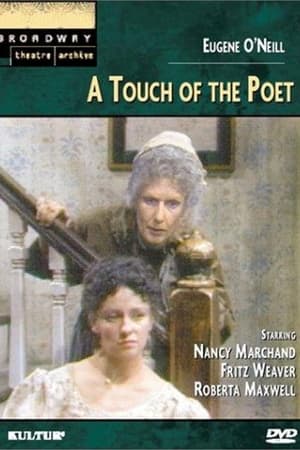 A Touch of the Poet
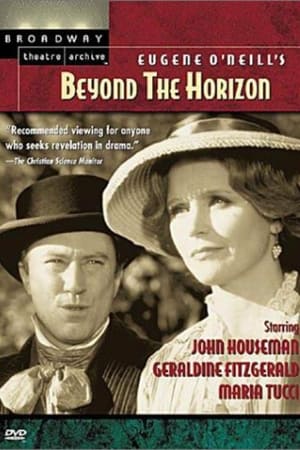 Beyond the Horizon
Alle Reichtümer der Welt
Beyond the Horizon
Alle Reichtümer der Welt
 Long Day's Journey Into Night
O Wildnis
Long Day's Journey Into Night
O Wildnis
 Ah, Wilderness!
 Long Day's Journey Into Night
 Long Day's Journey Into Night
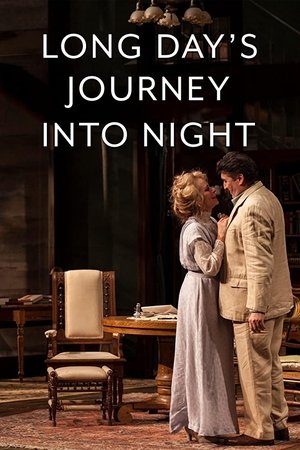 Long Day's Journey Into Night
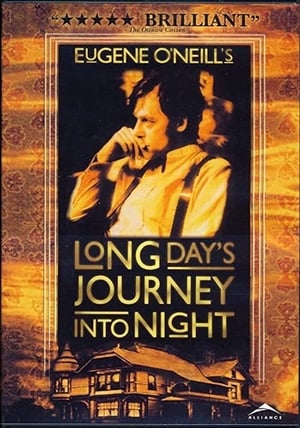 Long Day's Journey Into Night