



Narcisa Hirsch
Biography
Narcisa Hirsch (née Heuser, born 1928) is an Argentine experimental filmmaker of German birth. Her work centered on themes of the body, love, sex, death, movement, and the female gaze. Despite this focus on women, she has resisted being labeled as a feminist. She began as a painter, and but her later and better known work centers on performance and film, though she has also written several books. She cites Salvador Dalí and Luis Buñuel as influences to her experimental film work, as well as the Bauhaus artists of Germany. During her time as an experimental filmmaker in Argentina, she frequented the Di Tella Institute and the Goethe Institute, a place where many of her works premiered. Recenlty, her work has been honored through several retrospectives at international film festivals, though it was relatively unknown outside of exclusive circles when it first premiered.
Description above from the Wikipedia article Narcisa Hirsch, licensed under CC-BY-SA, full list of contributors on Wikipedia.
Personal Info
Known For
Directing
Known Credits
92
Gender
Female
Birthday
1928-01-16
Place of Birth
Berlin, Germany
Also Known As
—
Known For
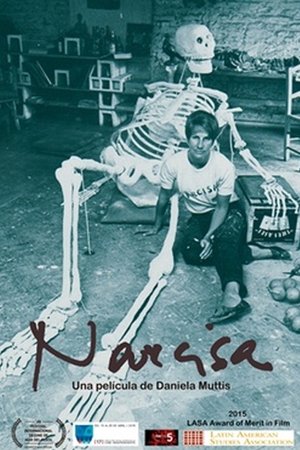 Narcisa
 El Mito de Narciso
 Herbaria
El refugio de Narcisa Heuser
Herbaria
El refugio de Narcisa Heuser
 time/ OUT OF JOINT
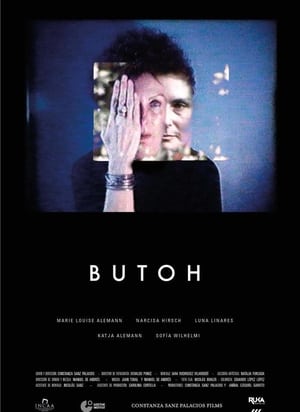 Butoh
Butoh
 Yo veo conejos
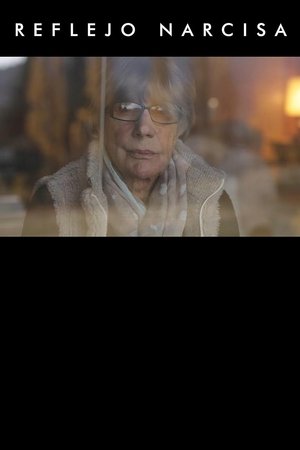 Reflejo Narcisa
 El Aleph
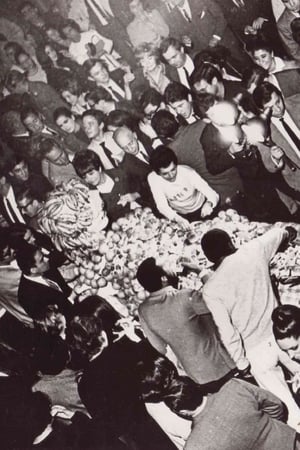 Marabunta
 Apples
 Tambores en la plaza
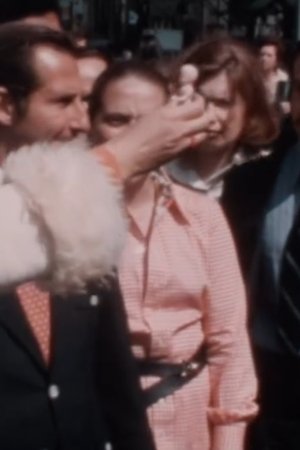 Muñecos (Have a baby)
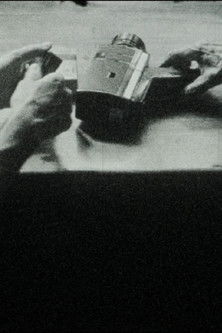 Pradera
 Instead of Trees
 Surely Bach Closed the Door When He Wanted to Work
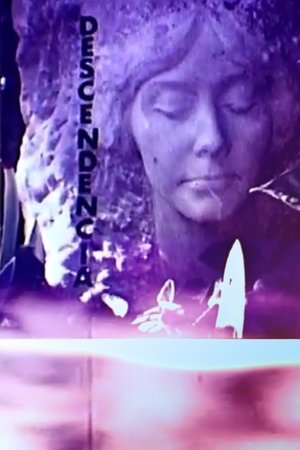 Descendencia
 la velocidad del tiempo
 Orpheus and Eurydice
 Rafael agosto 1984
 Aigokeros
 Pocos son los que conocen el secreto del amor
 Warnes
 Retrato de Marta Minujín
 Diarios Patagónicos 2
 Mundial 78
 Pichón en el Obelisco
 Edgardo
Postal Austria
Edgardo
Postal Austria
 Patagonia
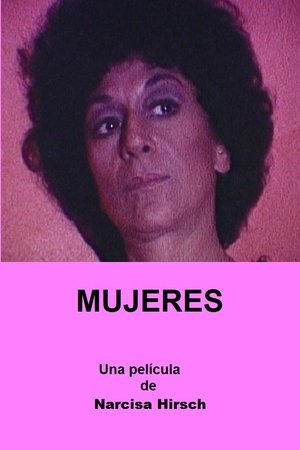 Mujeres
 The Bengali Night
 Para Virginia
 Come Out
Diarios Patagónicos 1
Come Out
Diarios Patagónicos 1
 Workshop
Testamento y vida interior
Homecoming
AMA-ZONA
A-Dios
Workshop
Testamento y vida interior
Homecoming
AMA-ZONA
A-Dios
 Rumi
Rumi
Rumi
Rumi
 Kosmos
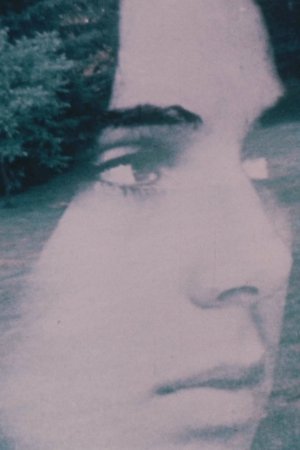 Andrea 1973
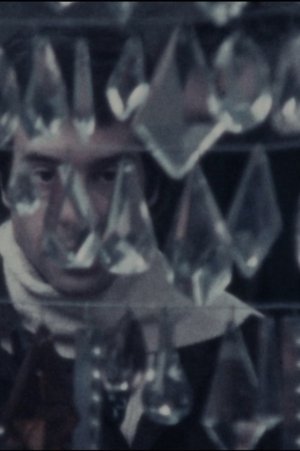 Rafael, 1975
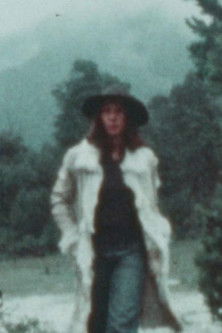 Paddock
 Pioneros
El erotismo del tiempo
Celebración
Pioneros
El erotismo del tiempo
Celebración
 Neapolitan Songs
 Mundial
 Portraits
 Pink Freud
 Retrato de una artista como ser humano
 Myst
Myst
 Los chicos y la calle
 Ana, ¿Dónde Estás?
Chicos 1969
Ana, ¿Dónde Estás?
Chicos 1969
 Aída
Aída
 Rafael in Rio
 Bariloche. Fotos byn
 Ulises
 Patagonia
 Señales de vida
 Capricornio 78
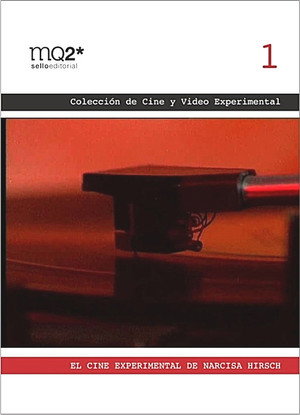 Narcisa Hirsch: Experimental Films
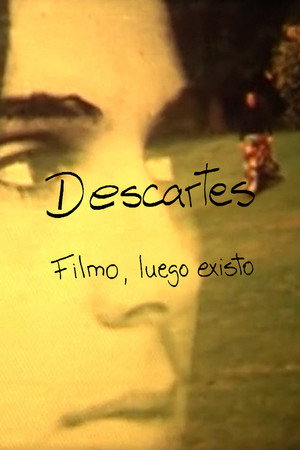 Descartes: Filmo, luego existo
 Hombres (Que hablan con su propia imagen)