


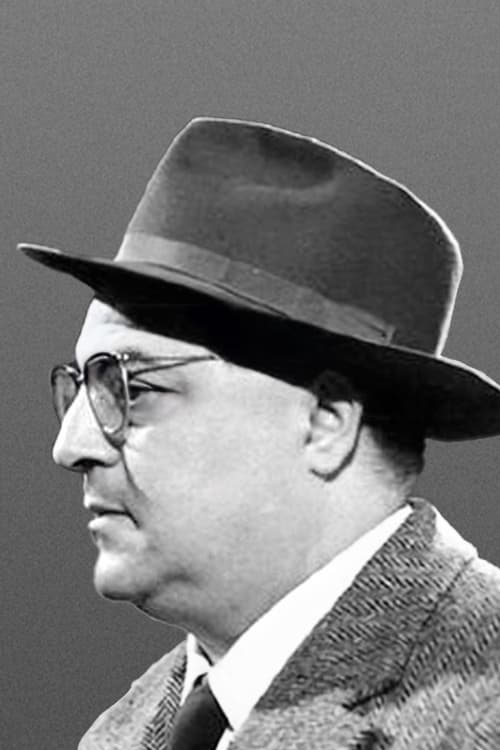
Raffaello Matarazzo
Biography
Largely misunderstood, at best considered a little master of an Italian cinema in full revival after the war thanks to neo-realism, Raffaello Matarazzo is nevertheless the author of some sumptuous melodramas whose success was spectacular in post-fascist Italy. Matarazzo started writing film reviews for the Roman newspaper Il Tevere before re-editing scripts for the Italian film company Cines. His first films were comedies until he shifted to making melodramas. With Catene, produced by Titanus in 1949, he became the most successful director in Italy. Audience loved his melodramas. Critics, however, have tended to disparage his work, saying that Matarazzo films were Neorealismo d'appendice. Since the 1970s, some film critics have tried to restore Matarazzo's reputation. French magazine Positif loved his erotic-historical peplum The Ship of Lost Women.
Personal Info
Known For
Directing
Known Credits
90
Gender
Male
Birthday
1909-08-17
Place of Birth
Rome, Italy
Also Known As
—
Known For
 Tourist Train
 Empezó en boda
 Cerasella
 The White Angel
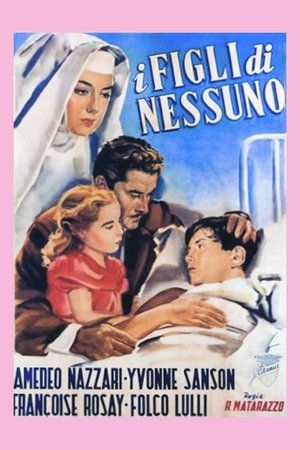 Nobody's Children
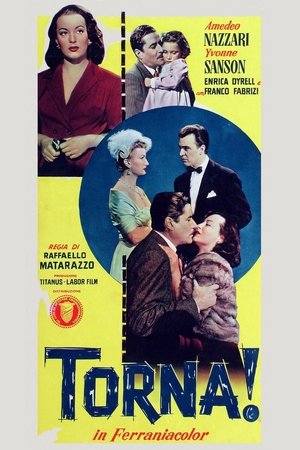 Torna!
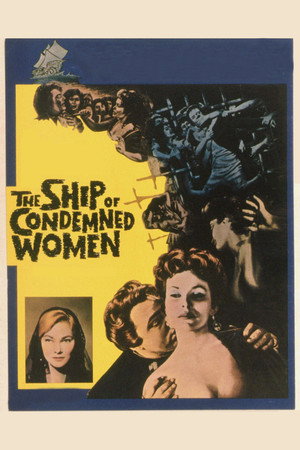 The Ship of Condemned Women
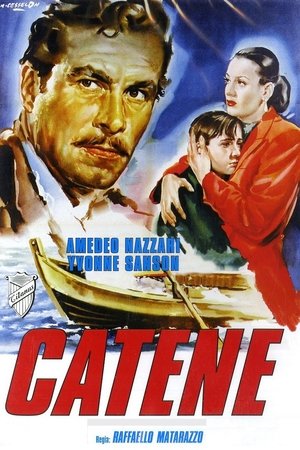 Chains
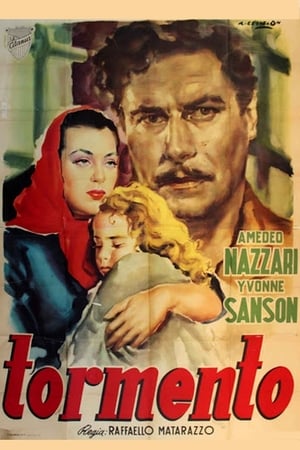 Tormento
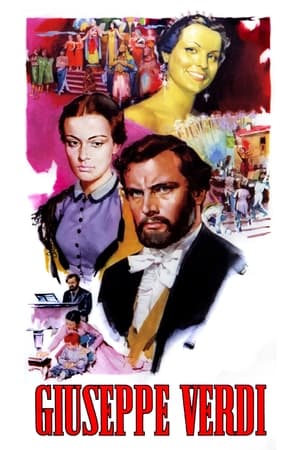 Giuseppe Verdi
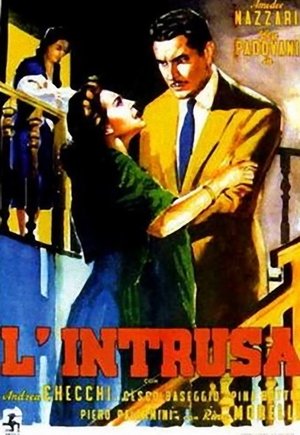 The Intruder
 I terribili sette
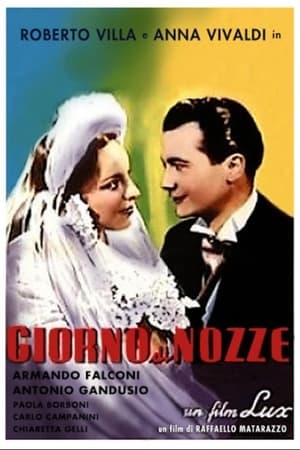 Giorno di nozze
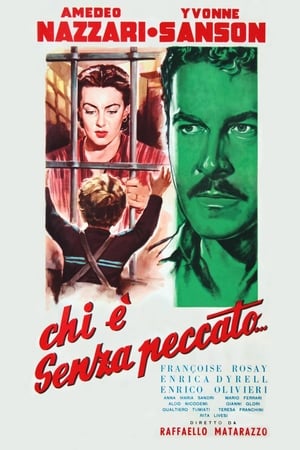 He Who Is Without Sin...
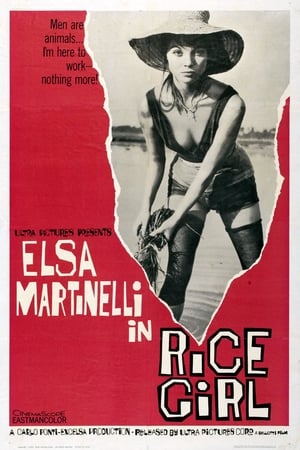 Rice Girl
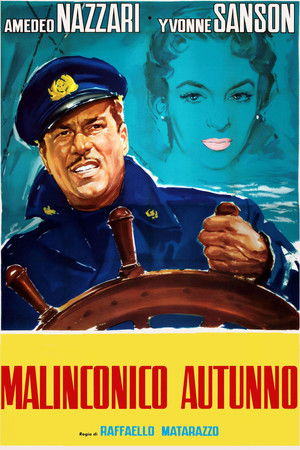 Melancholy Autumn
 Littoria
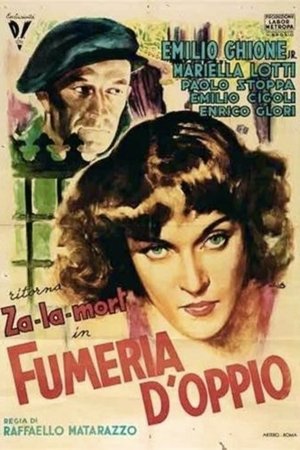 The Opium Den
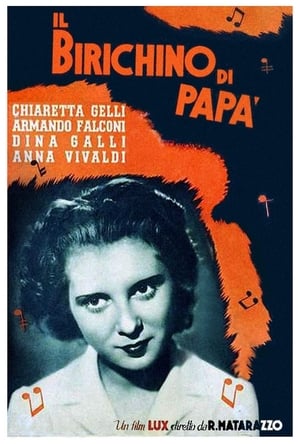 Daddy's Little Devil
 L'imprevisto
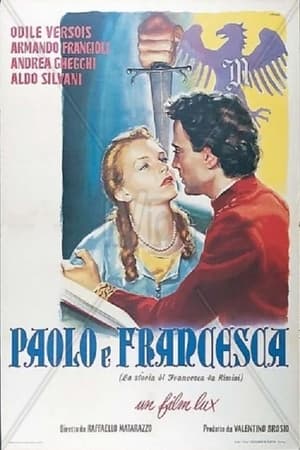 Paolo e Francesca
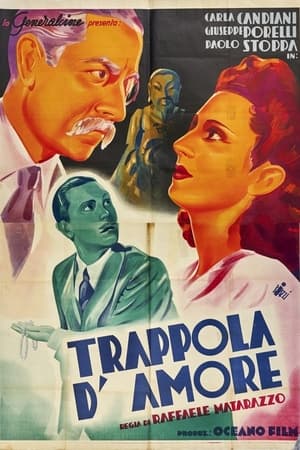 Trappola d'amore
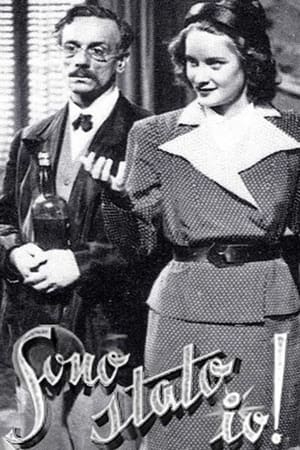 I Was to Blame
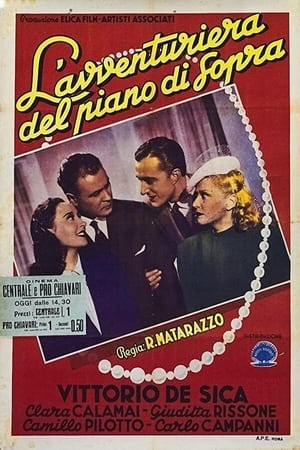 The Adventuress from the Floor Above
 Mussolinia di Sardegna
Sabaudia
Mussolinia di Sardegna
Sabaudia
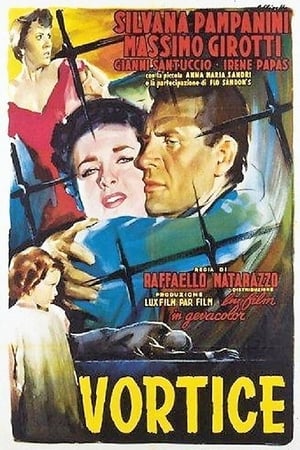 Vortice
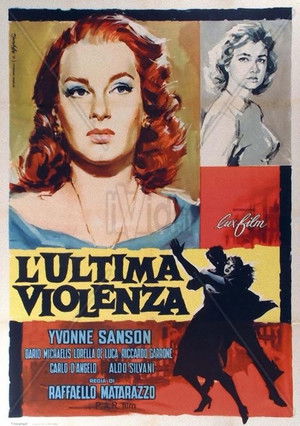 The Last Violence
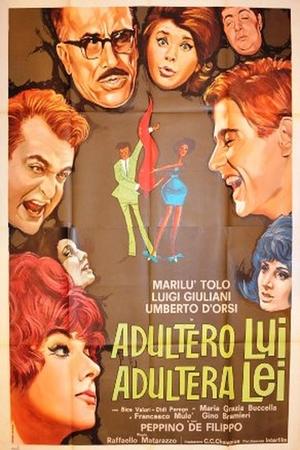 Adultero lui, adultera lei
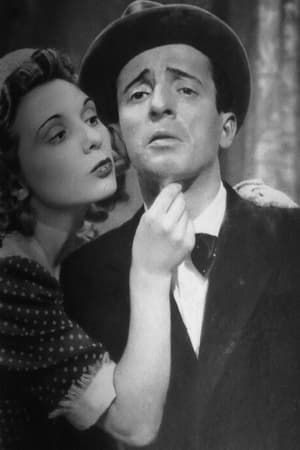 Lo sciopero dei milioni
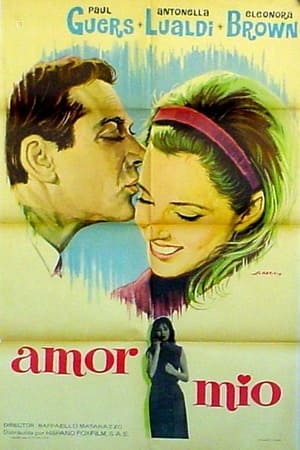 Amore mio
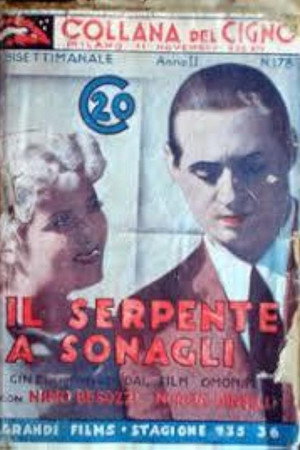 The Serpent's Fang
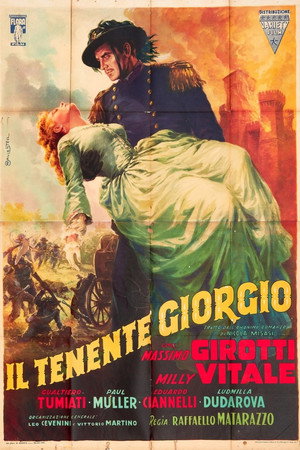 Lieutenant Giorgio
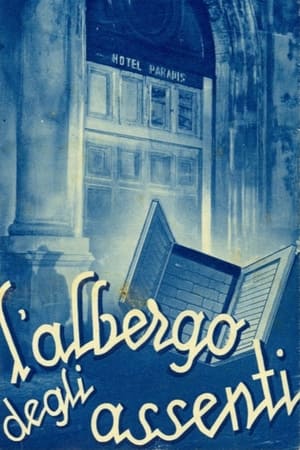 The Hotel of the Absent
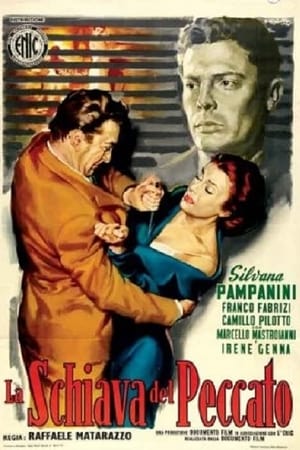 The Slave of Sin
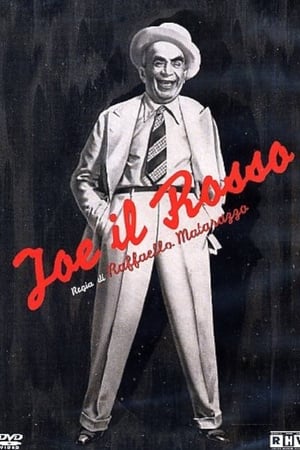 Joe il Rosso
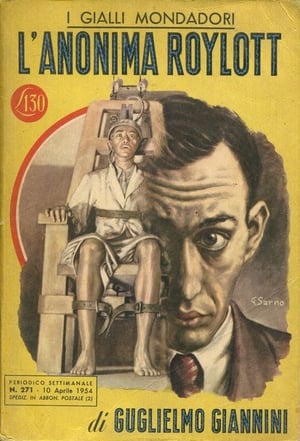 The Anonymous Roylott
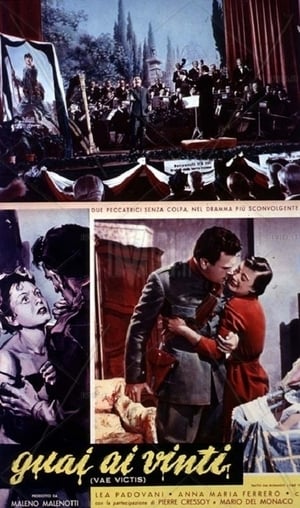 Guai ai vinti
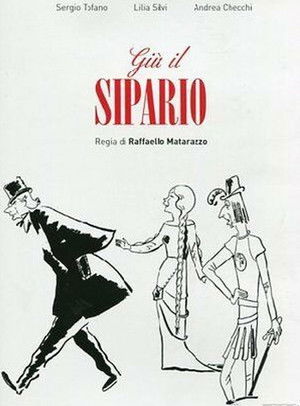 Giù il sipario
 Dora la espía
 Notte di fortuna
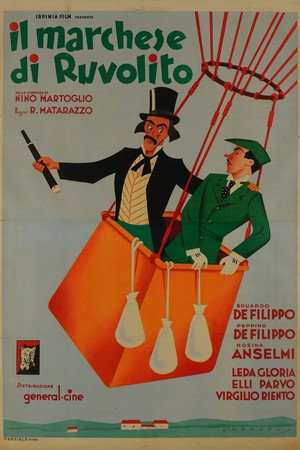 Il marchese di Ruvolito