
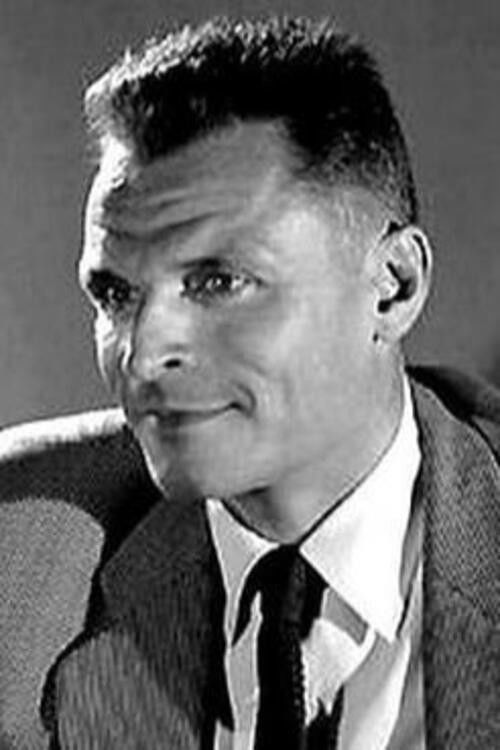
André Cayatte
Biography
André Cayatte (3 February 1909, in Carcassonne – 6 February 1989, in Paris) was a French filmmaker, writer and lawyer, who became known for his films centering on themes of crime, justice, and moral responsibility.
Cayatte began his directoral career at the German-controlled Continental Films during the French occupation. Some of Cayatte's earlier films that addressed his characteristic themes include Justice est faite (Justice is Done; 1950), Nous sommes tous des assassins (We Are All Murderers; 1952), and Le passage du Rhin (Tomorrow Is My Turn; 1960).
In 1963, he undertook a bold experiment in film narrative with a set of two films: Jean-Marc ou La vie conjugale (Anatomy of a Marriage: My Days with Jean-Marc) and Françoise ou La vie conjugale (Anatomy of a Marriage: My Days with Françoise). These two films tell the same story from two different points of view. His 1973 film, Il n'y a pas de fumée sans feu, won the Silver Bear Special Jury Prize at the 23rd Berlin International Film Festival.
His younger brother was the film editor Paul Cayatte.
Source: Article "André Cayatte" from Wikipedia in English, licensed under CC-BY-SA.
Personal Info
Known For
Writing
Known Credits
75
Gender
Male
Birthday
1909-02-03
Place of Birth
Carcassonne, Aude, France
Also Known As
Armand Tréguière
Known For
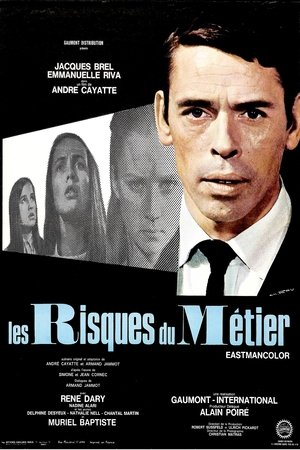 Risky Business
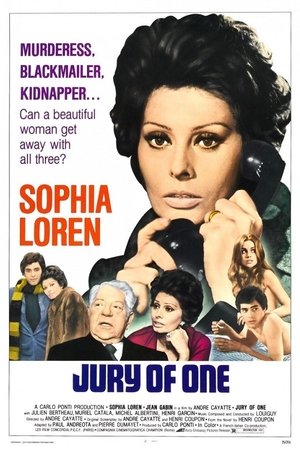 Jury of One
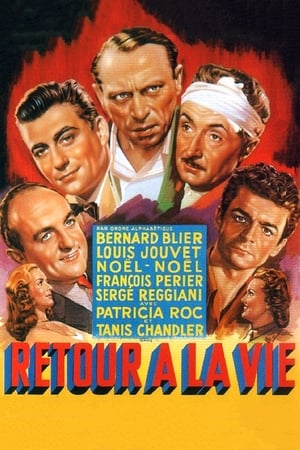 Return to Life
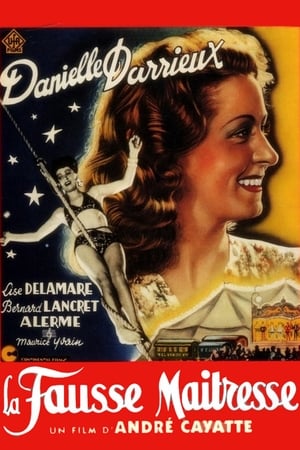 Twisted Mistress
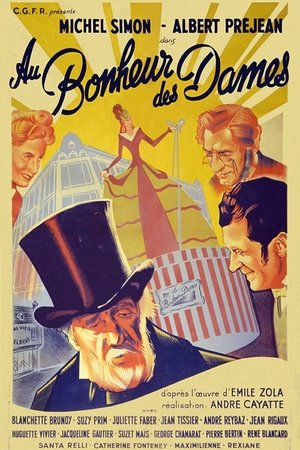 Shop Girls of Paris
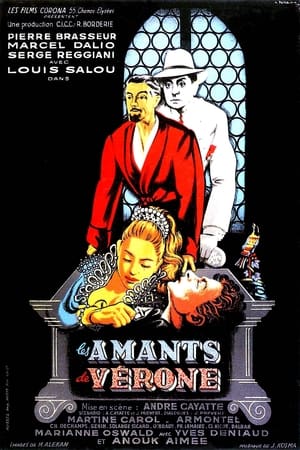 The Lovers of Verona
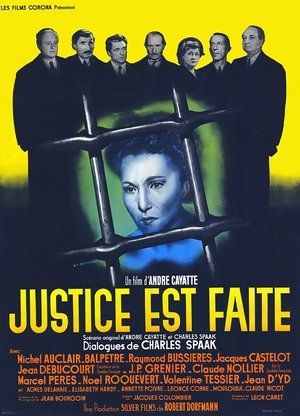 Justice Is Done
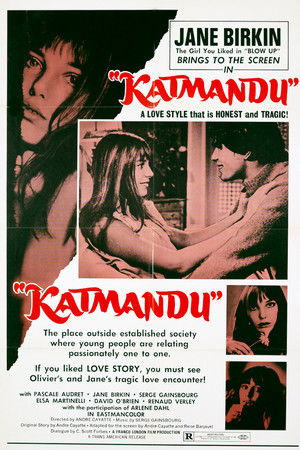 Katmandu
 La Faute
Retour à Cherchell
La Faute
Retour à Cherchell
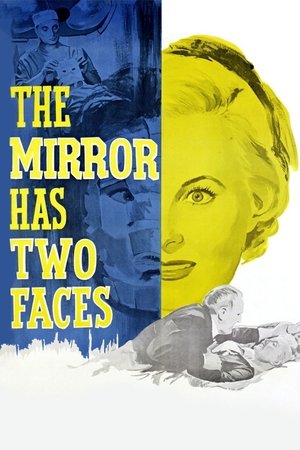 The Mirror Has Two Faces
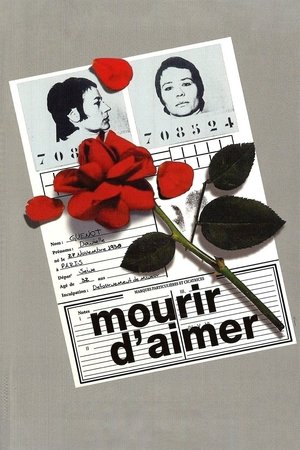 To Die of Love
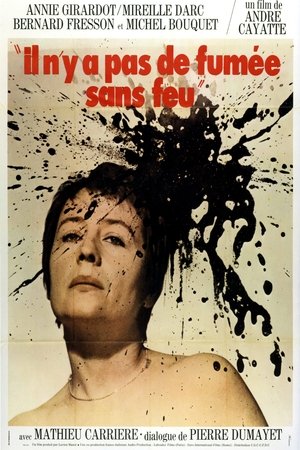 Where There's Smoke
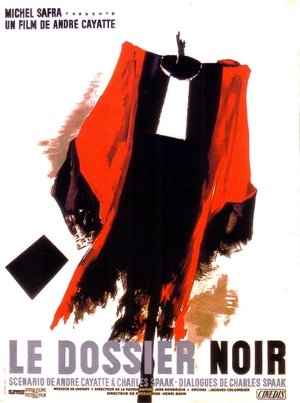 Black Dossier
 Before the Deluge
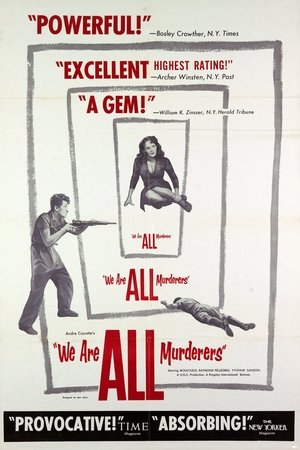 We Are All Murderers
 An Eye for an Eye
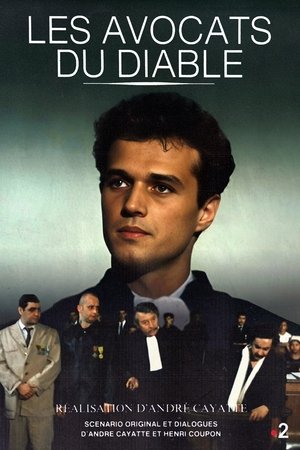 Les Avocats du Diable
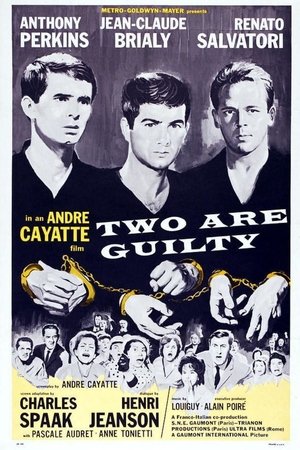 The Sword and the Balance
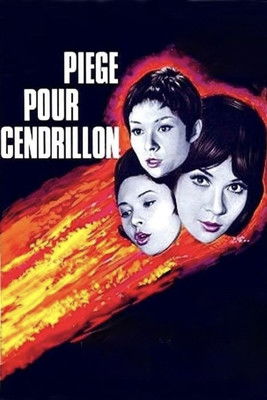 A Trap for Cinderella
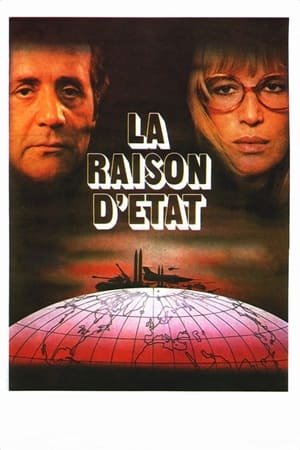 State Reasons
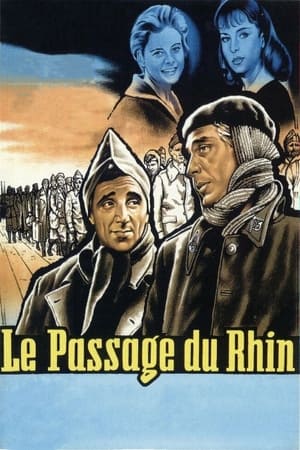 Tomorrow Is My Turn
 Song of the Clouds
 The Curtain Rises
Anatomy of a Marriage
The Curtain Rises
Anatomy of a Marriage
 The Revenge of Roger
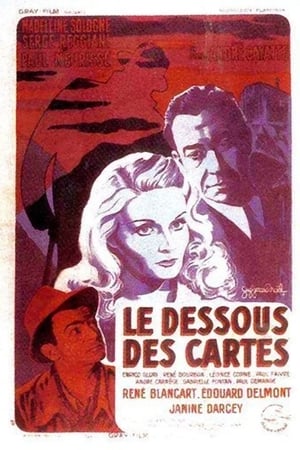 Le Dessous des cartes
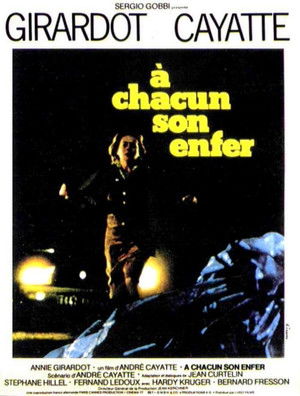 To Each His Hell
 Question of Love
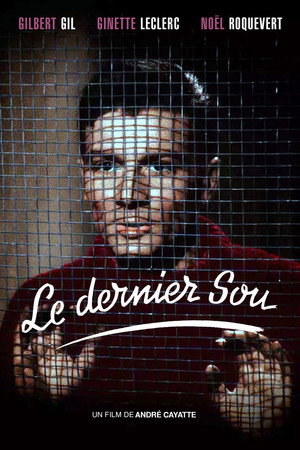 The Last Penny
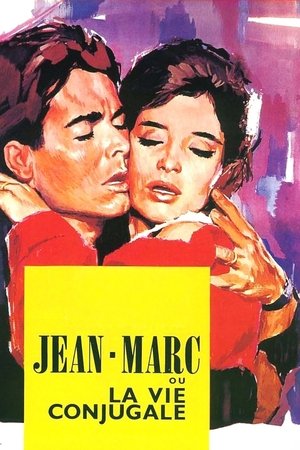 Anatomy of a Marriage: My Days with Jean-Marc
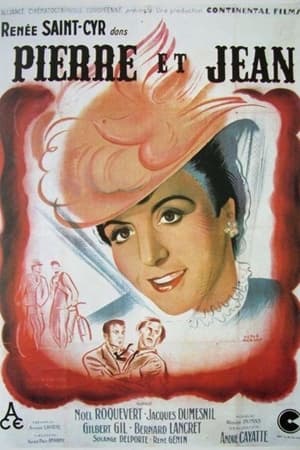 Pierre and Jean
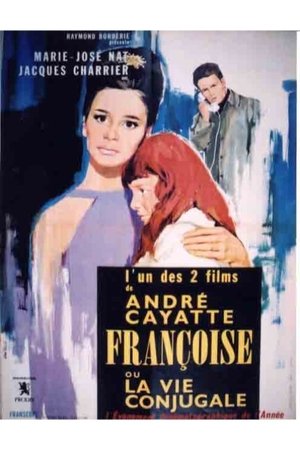 Anatomy of a Marriage: My Days with Françoise
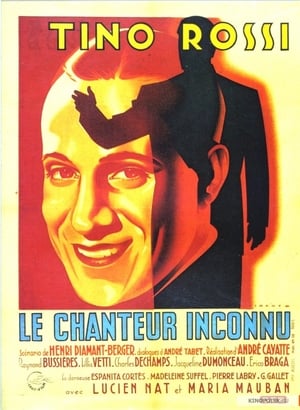 The Unknown Singer
 Roger the Disgrace