
Pandro S. Berman
Biography
From Wikipedia, the free encyclopedia
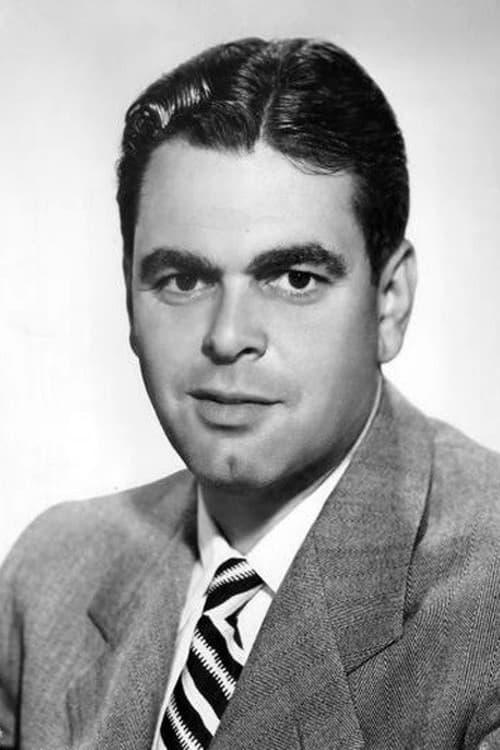
Pandro Samuel Berman (March 28, 1905 – July 13, 1996), also known as Pan Berman, was an American film producer.
Berman was an assistant director during the 1920s under Mal St. Clair and Ralph Ince. In 1930, Berman was hired as a film editor at RKO Radio Pictures, then became an assistant producer. When RKO supervising producer William LeBaron walked out during production of the ill-fated The Gay Diplomat (1931), Berman took over LeBaron's responsibilities, remaining in the post until 1939.
After David O. Selznick became chief of production at RKO in October 1931, Berman managed to survive Selznick's general firing of most of the staff. Selznick named Berman producer for the adaptation of Fannie Hurst's short story Night Bell, a tale of a Jewish doctor's rise out of the Lower East Side ghetto to the height of becoming a Park Avenue physician, which Selznick personally retitled Symphony of Six Million. He ordered Berman to have references to ethnic life in the Jewish ghetto restored. The movie was a box-office and critical success. Both Selznick and Berman were proud of the picture, with Berman later saying it was the "first good movie" he had produced.
The Fred Astaire/Ginger Rogers musicals were in production during the Berman regime, Katharine Hepburn rose to prominence, and such RKO classics as The Hunchback of Notre Dame and Gunga Din (both 1939) were completed.
Upset when an RKO power play diminished his authority, Berman left for MGM in 1940, where he oversaw such productions as Ziegfeld Girl (1941), National Velvet (1944), The Bribe (1949), Father of the Bride (1950), Blackboard Jungle (1955) and Butterfield 8 (1960).
He survived several executive shake-ups at MGM and remained there until 1963, then went into independent production, closing out his career with the unsuccessful Move (1970).
Berman was the winner of the 1976 Irving G. Thalberg Memorial Award. Six of his films were nominated for Academy Award for Best Picture: The Gay Divorcee (1934), Alice Adams and Top Hat (both 1935), Stage Door (1937), Father of the Bride (1950), and Ivanhoe (1952).
Berman died of congestive heart failure on July 13, 1996 in his Beverly Hills home, aged 91. He was buried at the Hillside Memorial Park, Culver City, California.
Personal Info
Known For
Production
Known Credits
124
Gender
Male
Birthday
1905-03-28
Place of Birth
Pittsburgh, Pennsylvania, USA
Also Known As
Pandro Samuel Berman, Pandro Berman, Pan Berman
Known For
 A Cinderella Named Elizabeth
 On Location with Gunga Din
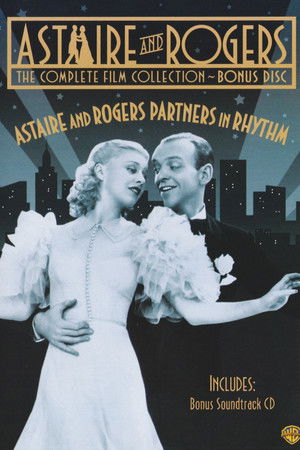 Astaire and Rogers: Partners in Rhythm
 George Stevens: A Filmmaker's Journey
 Magician: The Astonishing Life and Work of Orson Welles
 The Prize
 Top Hat
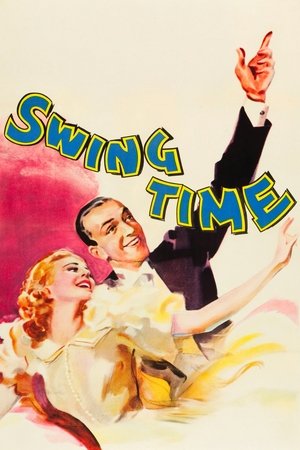 Swing Time
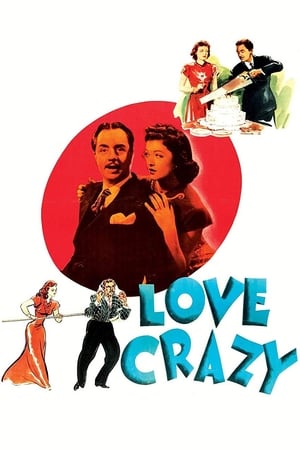 Love Crazy
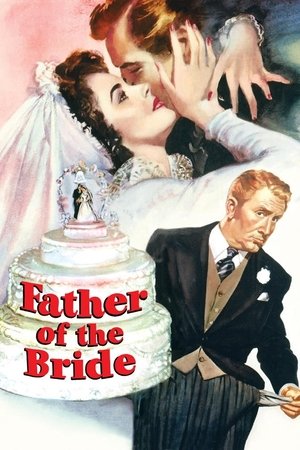 Father of the Bride
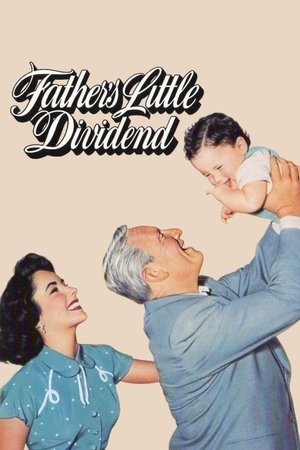 Father's Little Dividend
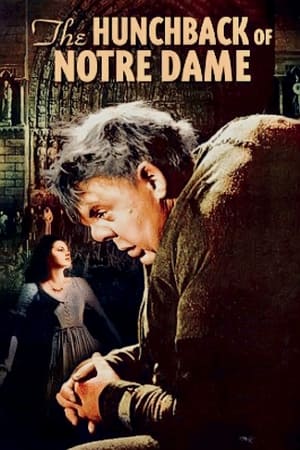 The Hunchback of Notre Dame
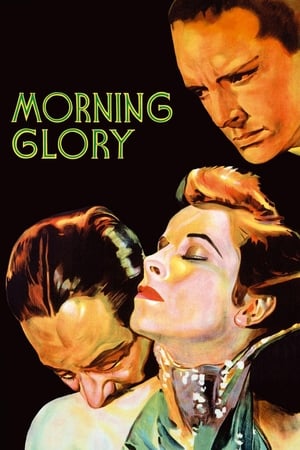 Morning Glory
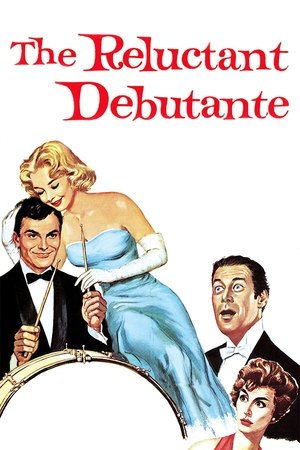 The Reluctant Debutante
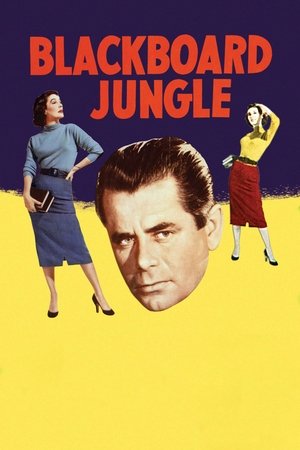 Blackboard Jungle
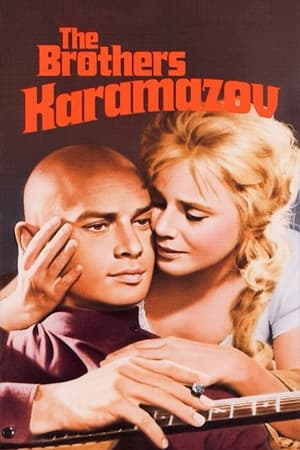 The Brothers Karamazov
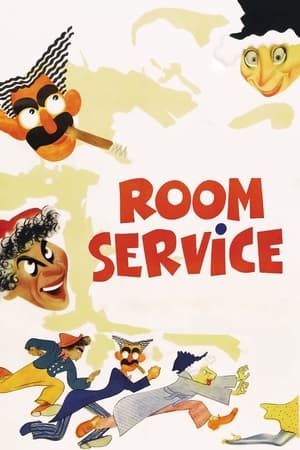 Room Service
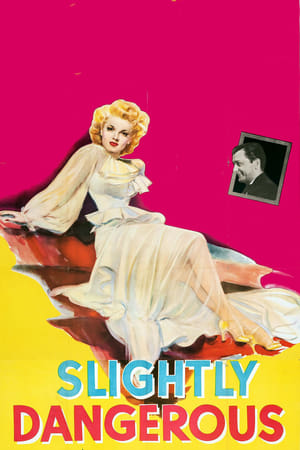 Slightly Dangerous
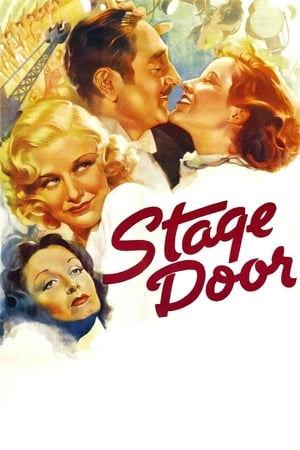 Stage Door
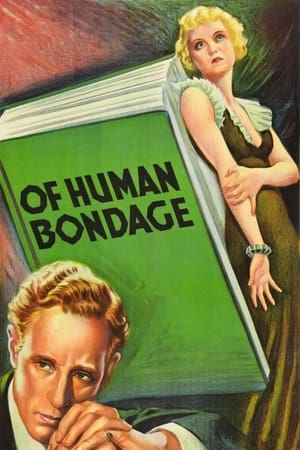 Of Human Bondage
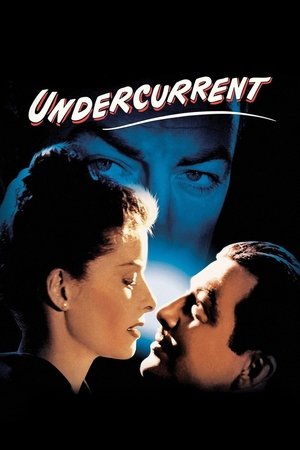 Undercurrent
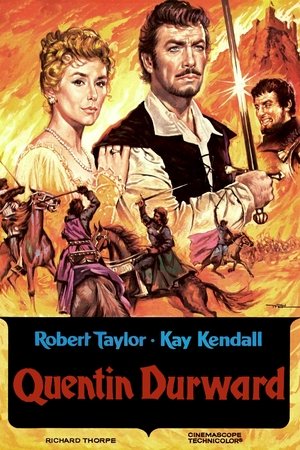 Quentin Durward
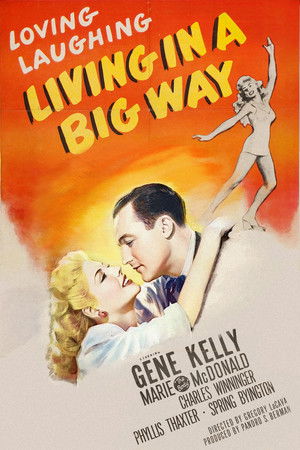 Living in a Big Way
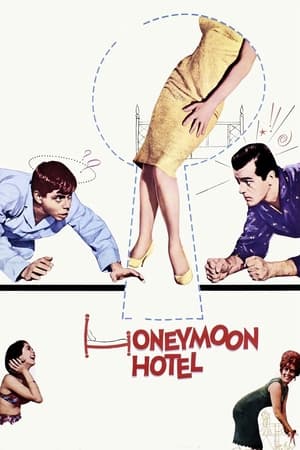 Honeymoon Hotel
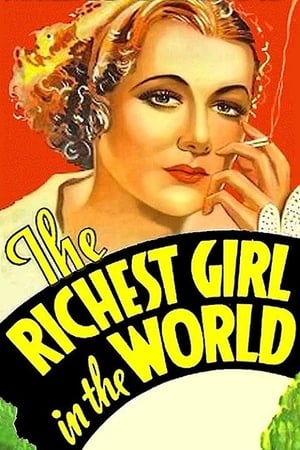 The Richest Girl in the World
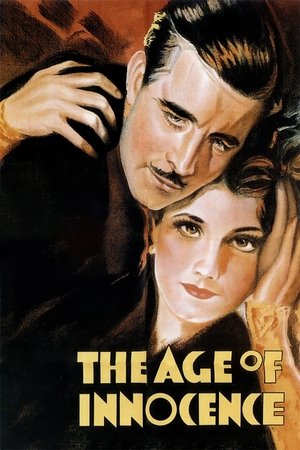 The Age of Innocence
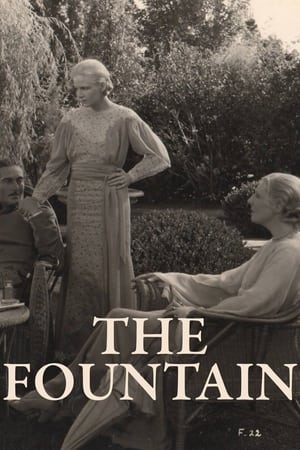 The Fountain
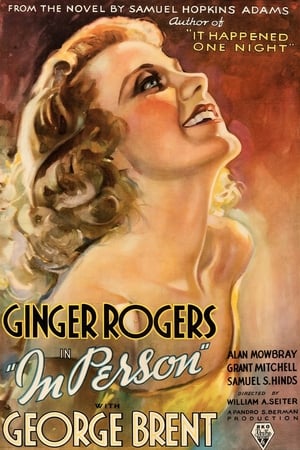 In Person
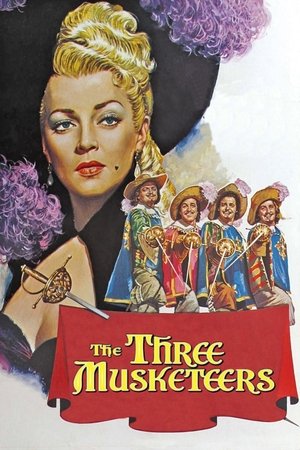 The Three Musketeers
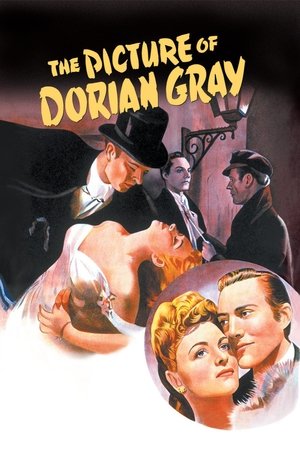 The Picture of Dorian Gray
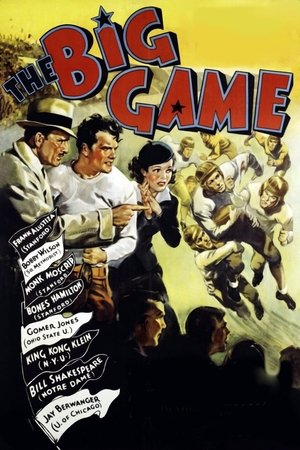 The Big Game
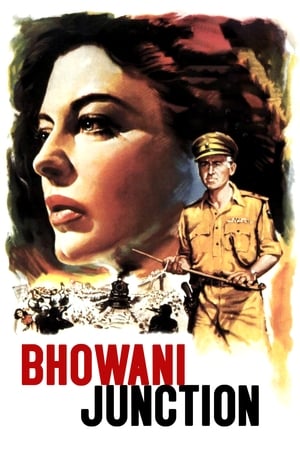 Bhowani Junction
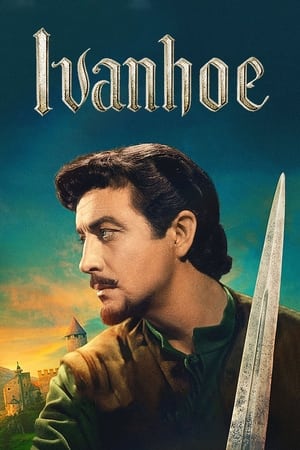 Ivanhoe
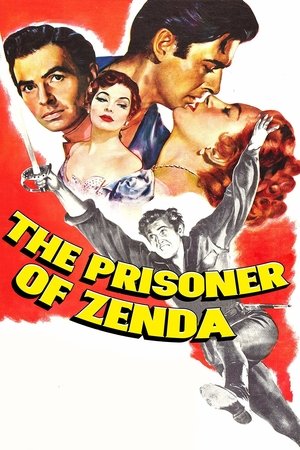 The Prisoner of Zenda
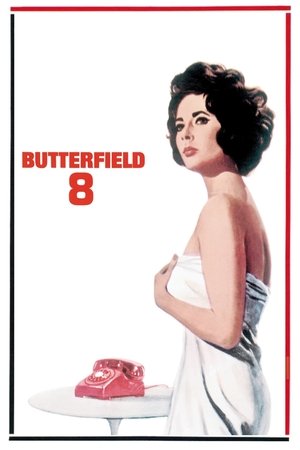 BUtterfield 8
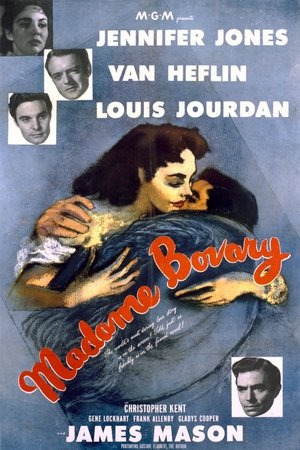 Madame Bovary
 The Gay Divorcee
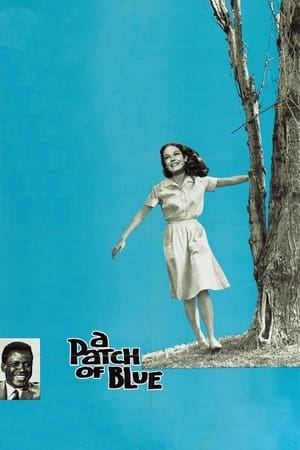 A Patch of Blue
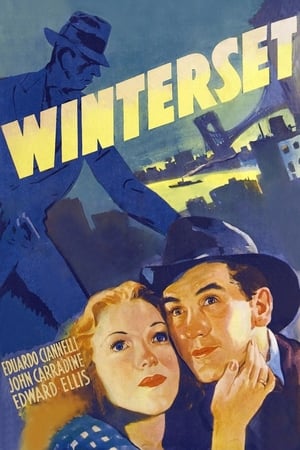 Winterset
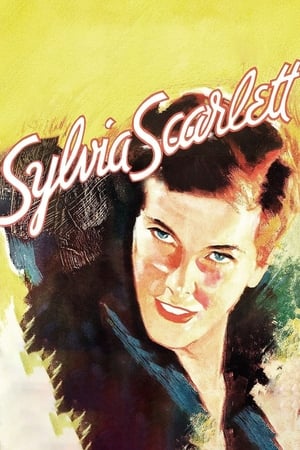 Sylvia Scarlett
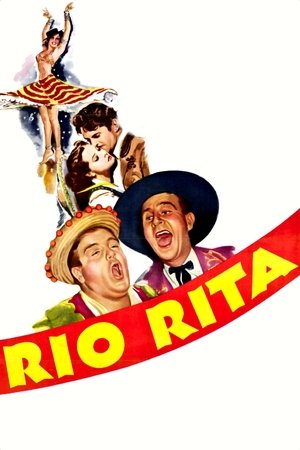 Rio Rita
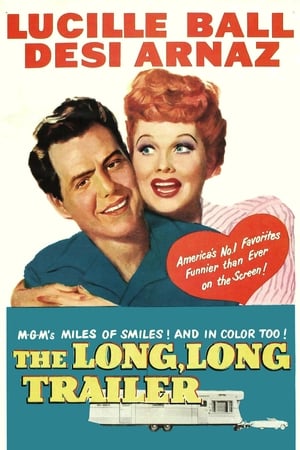 The Long, Long Trailer
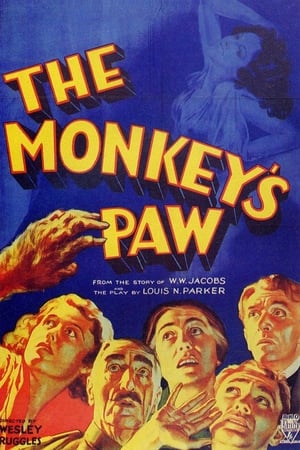 The Monkey's Paw
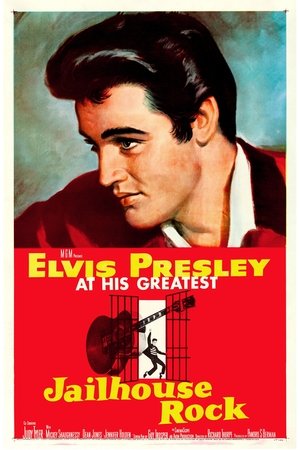 Jailhouse Rock
 Dragon Seed
 By Your Leave
 Romance in Manhattan
 Alice Adams
 Mary of Scotland
 Knights of the Round Table
 Carefree
 This Man Is Mine
 Roberta
 Ann Vickers
 Aggie Appleby, Maker of Men
 Man of Two Worlds
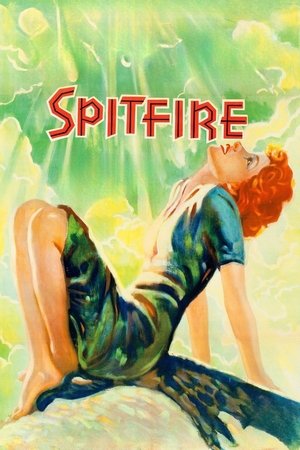 Spitfire
 The Life of Vergie Winters
 Gridiron Flash
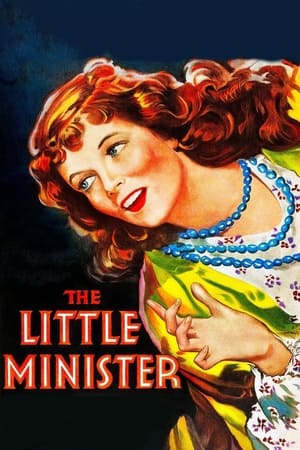 The Little Minister
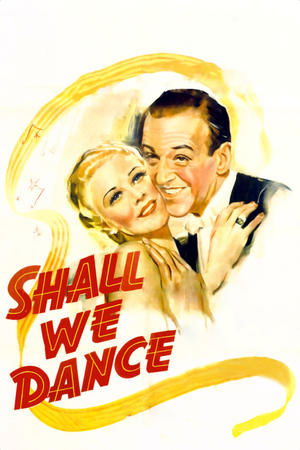 Shall We Dance
 That Girl from Paris
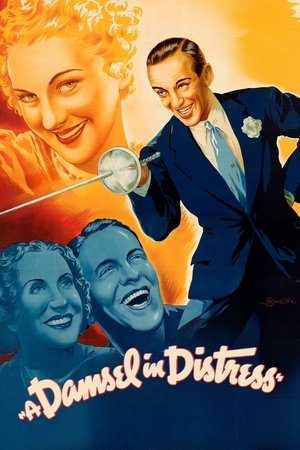 A Damsel in Distress
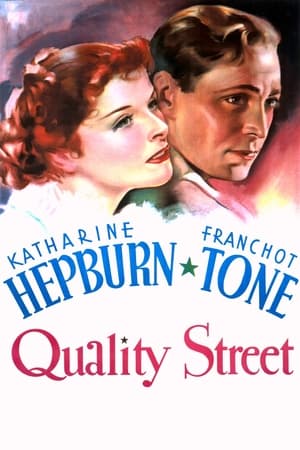 Quality Street
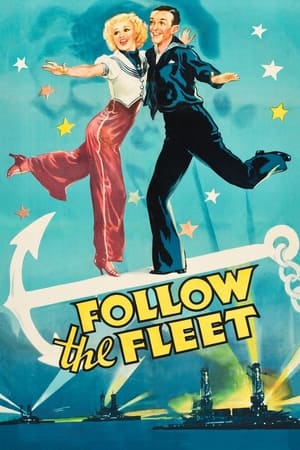 Follow the Fleet
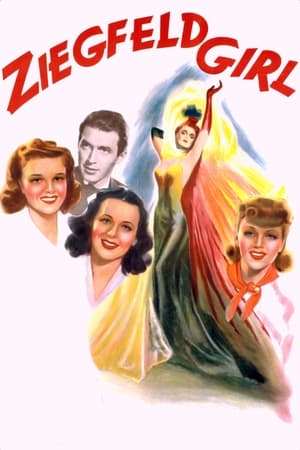 Ziegfeld Girl
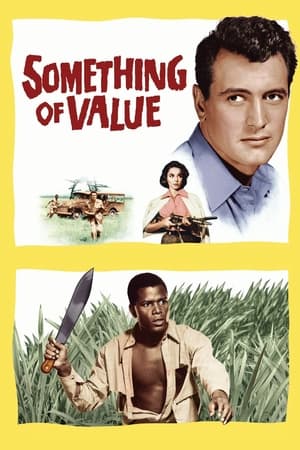 Something of Value
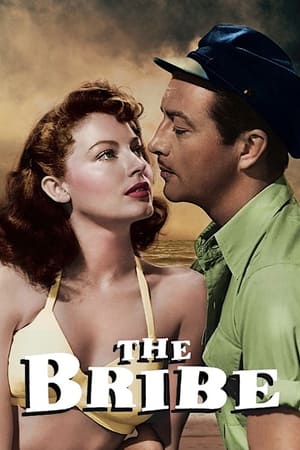 The Bribe
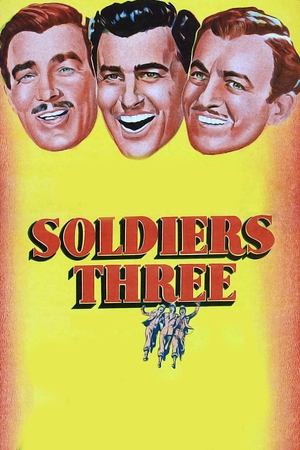 Soldiers Three
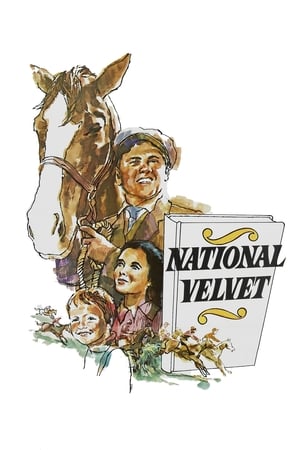 National Velvet
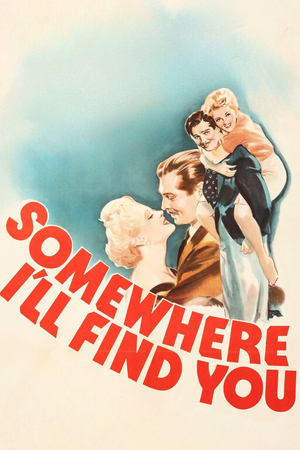 Somewhere I'll Find You
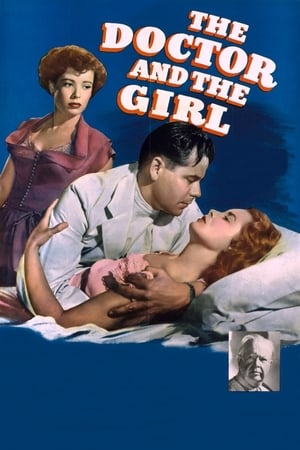 The Doctor and the Girl
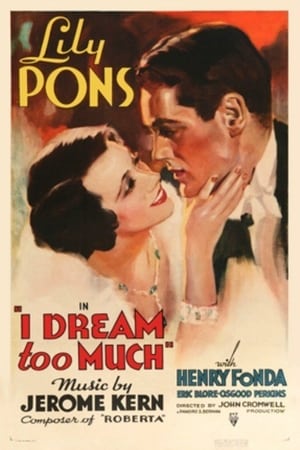 I Dream Too Much
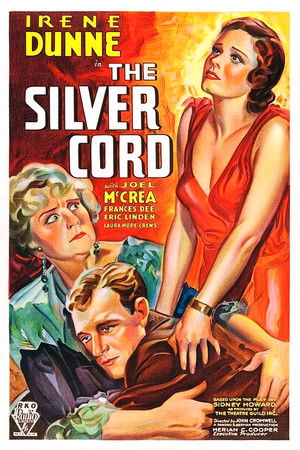 The Silver Cord
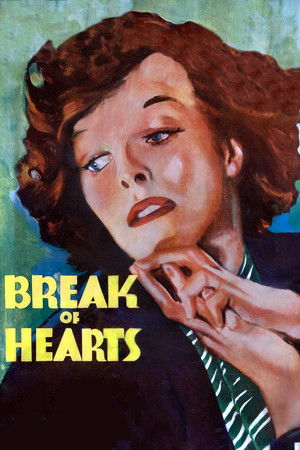 Break of Hearts
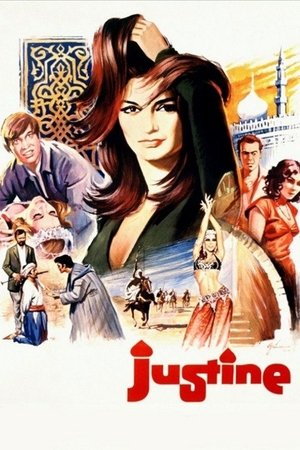 Justine
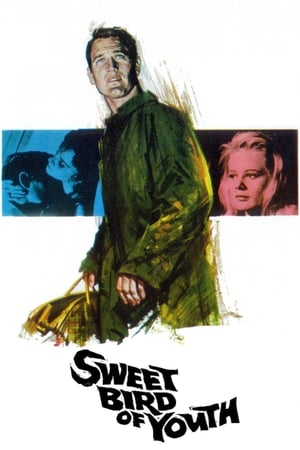 Sweet Bird of Youth
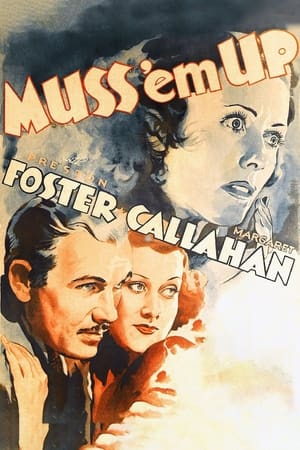 Muss 'em Up
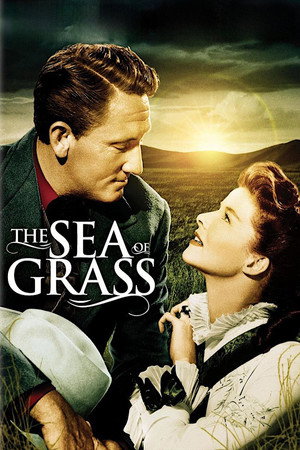 The Sea of Grass
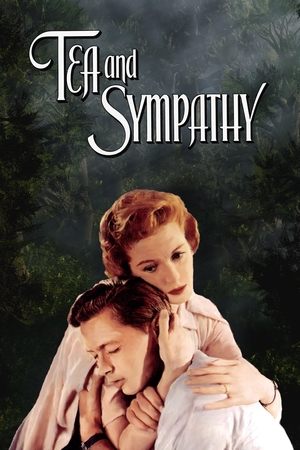 Tea and Sympathy
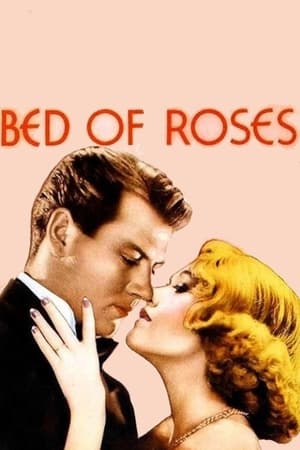 Bed of Roses
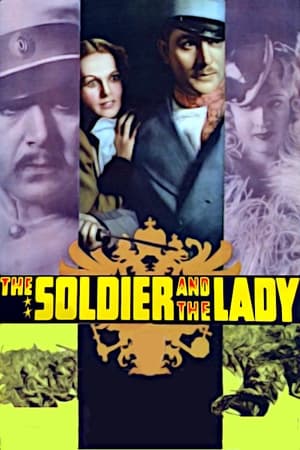 The Soldier and the Lady
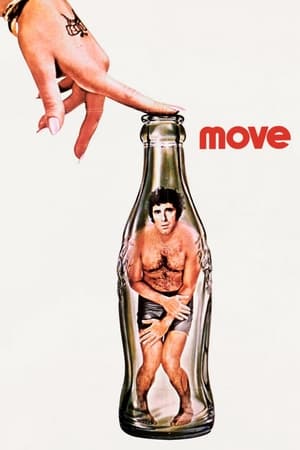 Move
Move
 The Light Touch
 Battle Circus
 All the Brothers Were Valiant
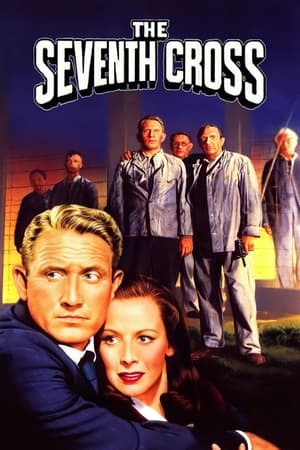 The Seventh Cross
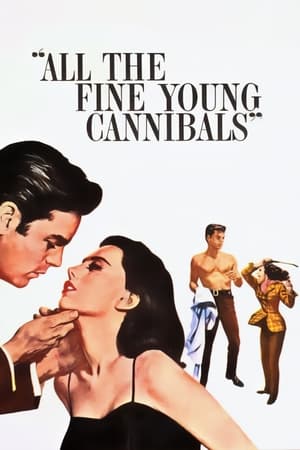 All the Fine Young Cannibals
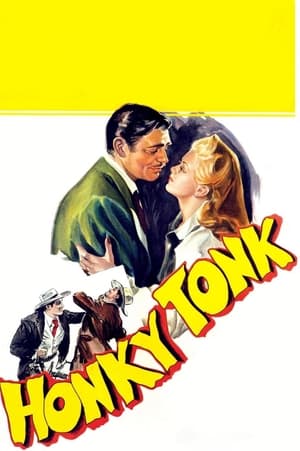 Honky Tonk