


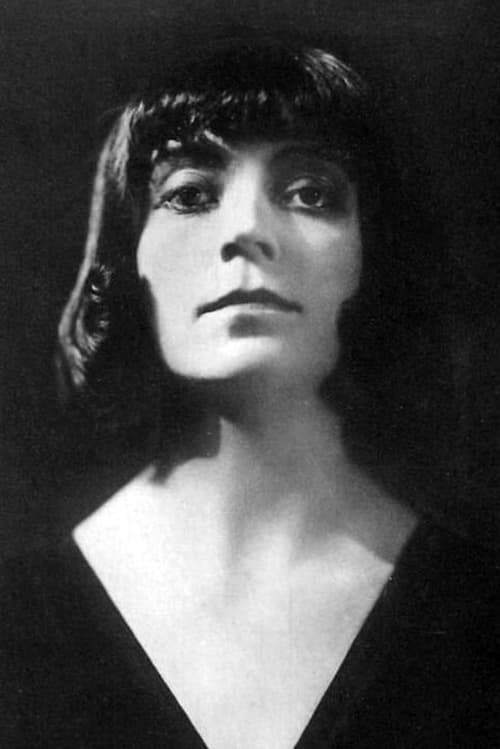
Asta Nielsen
Biography
Asta Sofie Amalie Nielsen (1881–1972) is considered one of the most influential figures in early film history. Born on September 11, 1881, in Copenhagen, she grew up in modest circumstances. Her father died when she was young, and the family had to move frequently. Despite these difficult circumstances, Nielsen developed a strong affinity for the stage even as a young girl. She took acting lessons and gained her first experience at small theaters before becoming a mother to a daughter in 1901.
The decisive turning point in her career came in 1910 with the Danish film “Afgrunden” (The Abyss). Her passionate, modern performance made her internationally famous overnight. Unlike many of her contemporaries, Nielsen did not act in an overly theatrical manner, but relied on subtle facial expressions and psychologically rich body language. This new style of acting made her one of the first major international stars of silent film.
Shortly thereafter, she moved to Germany, where she became one of the most sought-after actresses between 1911 and the early 1920s. Together with director Urban Gad, to whom she was married for a time, she starred in a series of successful films. Nielsen often portrayed strong, independent female characters who challenged social norms—an approach that was both unusual and courageous at the time. Among her best-known works are Die arme Jenny (1912), Engelein (1914), and especially her extraordinary portrayal of Hamlet (1921), in which the title character is raised as a woman.
With the advent of sound film, Nielsen increasingly withdrew from the cinema. She was convinced that her expressiveness was better showcased in silent film and later focused on theater work, art, and writing. In 1946, she published her memoirs, “The Silent Muse,” in which she reflected openly on her life and work.
Asta Nielsen remained a cultural icon into her old age. She spent her final years living a secluded life in Denmark and died on May 25, 1972, in Frederiksberg. Her influence on the art of film is still felt today: she is regarded as a pioneer of a modern, natural acting style and as one of the first women to possess true star power in the international film industry.
Personal Info
Known For
Acting
Known Credits
87
Gender
Female
Birthday
1881-09-11
Place of Birth
Vesterbro, Copenhagen, Denmark
Also Known As
Asta Sofie Amalie Nielsen, The Silent Muse, Die Asta
Known For
 Den talende muse - samtaler med Asta Nielsen
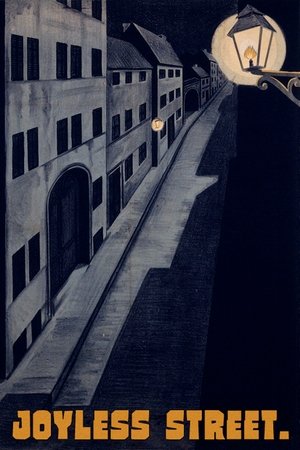 Joyless Street
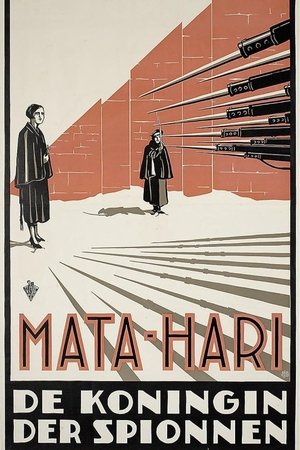 Mata Hari
Asta Nielsen
Mata Hari
Asta Nielsen
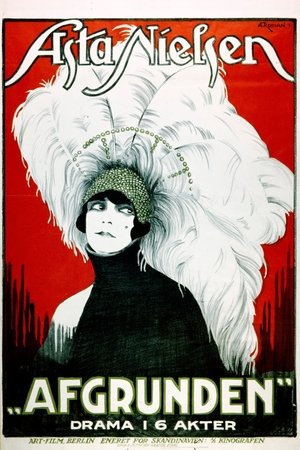 The Abyss
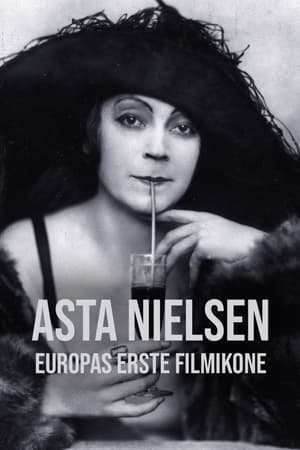 Asta Nielsen - Europas erste Filmikone
The Queen of the Stock Exchange
Asta Nielsen - Europas erste Filmikone
The Queen of the Stock Exchange
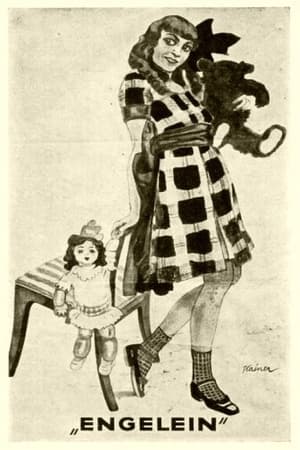 Little Angel
 Towards the Light
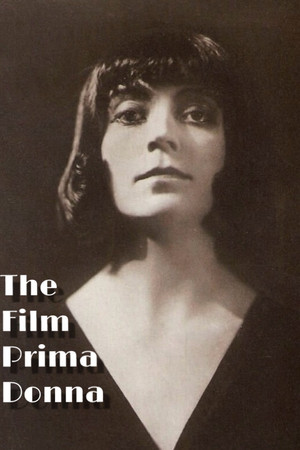 The Film Prima Donna
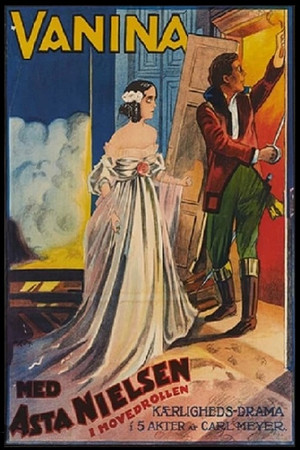 Vanina
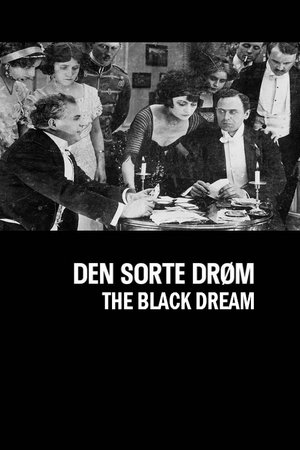 The Black Dream
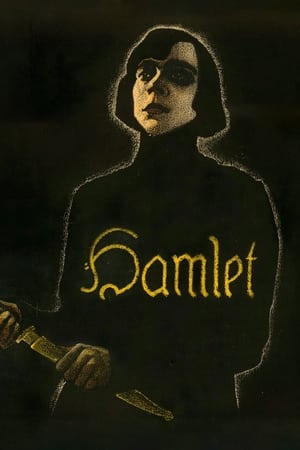 Hamlet
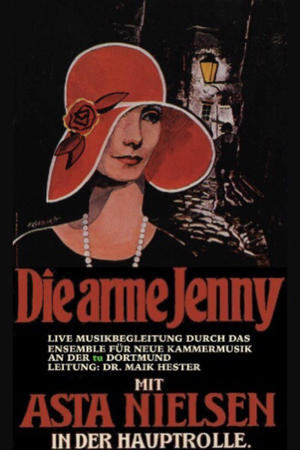 Poor Jenny
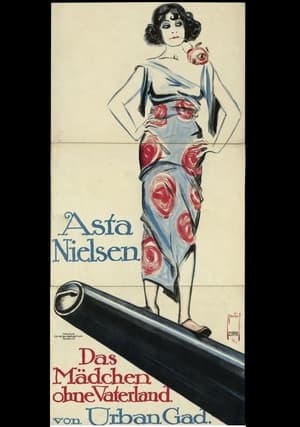 A Romany Spy
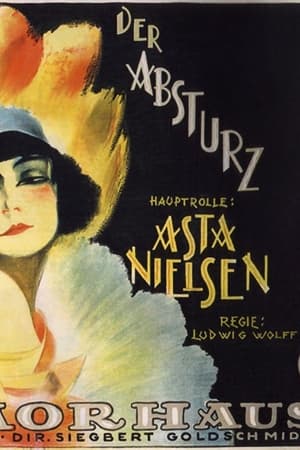 Downfall
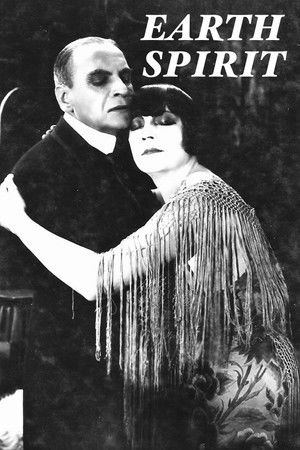 Earth Spirit
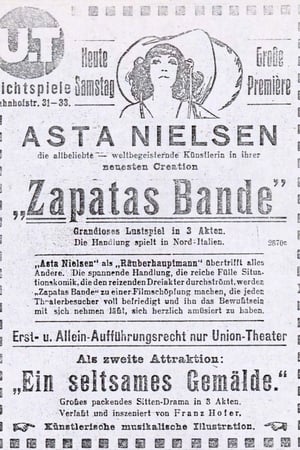 Zapata's Gang
 Sex, Sensations & Superstars: The History of Danish Silent Cinema
 Impossible Love
 The Suffragette
 Tragedy of the Street
 S1
S1
 The ABC of Love
 The Eskimo Baby
 The Ballet Dancer
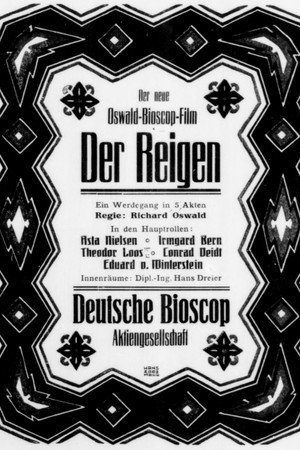 The Merry-Go-Round
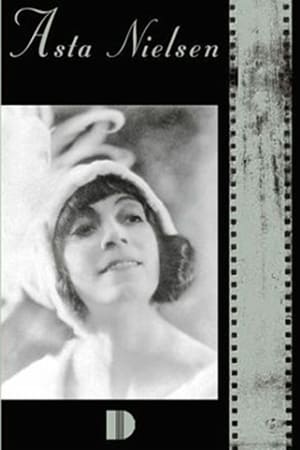 Asta Nielsen: A Great Artist
The House by the Sea
Asta Nielsen: A Great Artist
The House by the Sea
 Play On! Shakespeare in Silent Film
In Turmoil
Play On! Shakespeare in Silent Film
In Turmoil
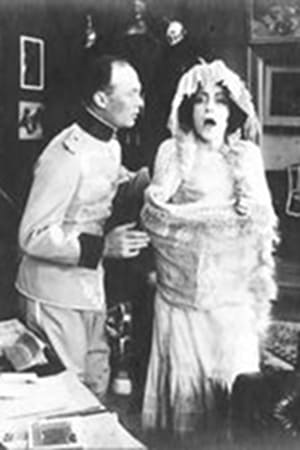 Frontstairs and Backstairs
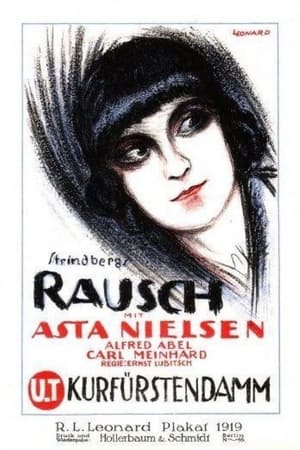 Intoxication
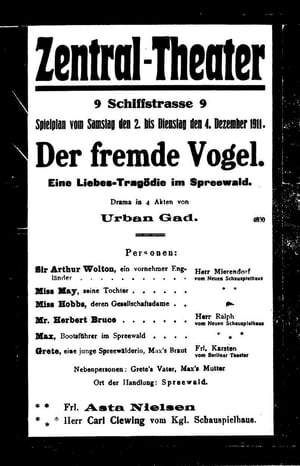 The Strange Bird
Kurfürstendamm
The Strange Bird
Kurfürstendamm
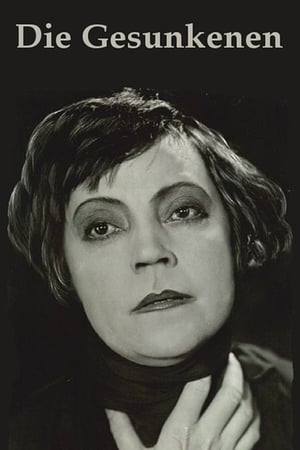 The Fallen
 The Dangerous Age
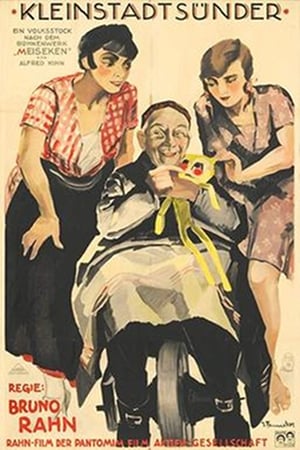 Small Town Sinners
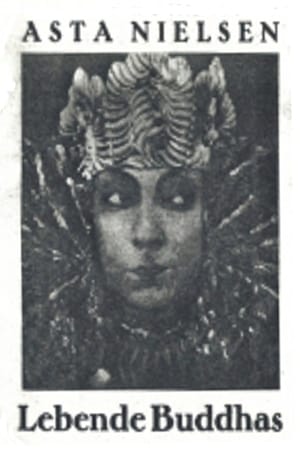 Living Buddhas
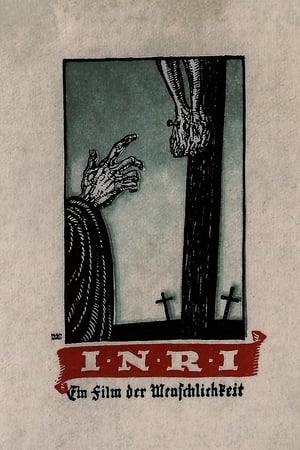 I.N.R.I. – A Film of Humanity
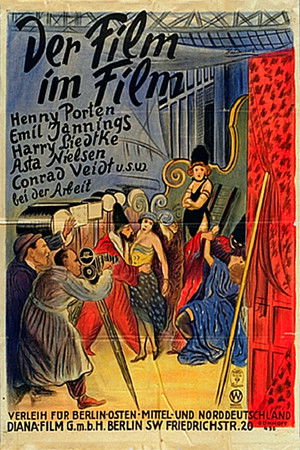 The Film in the Film
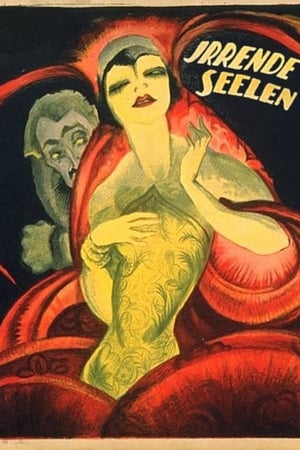 Wandering Souls
 The Vice of Humanity
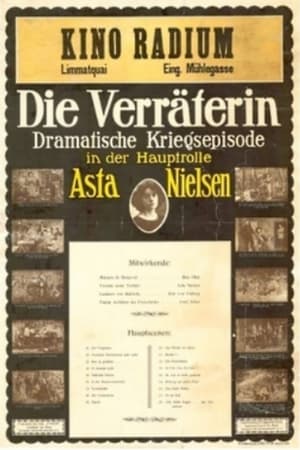 The Traitress
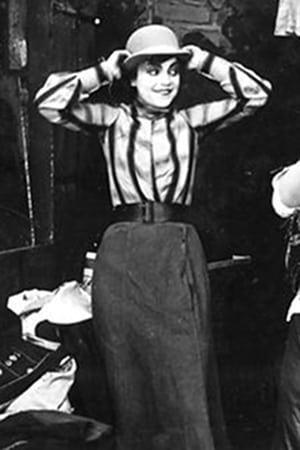 Gypsy Blood
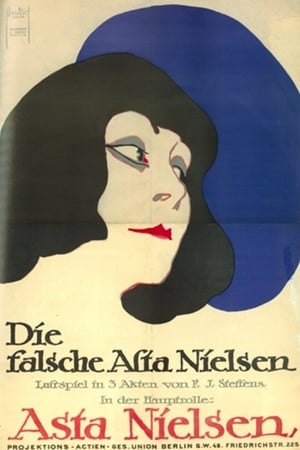 The False Asta Nielsen
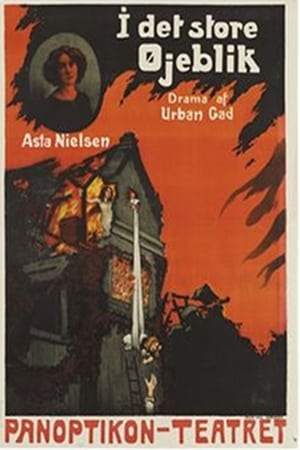 The Great Moment
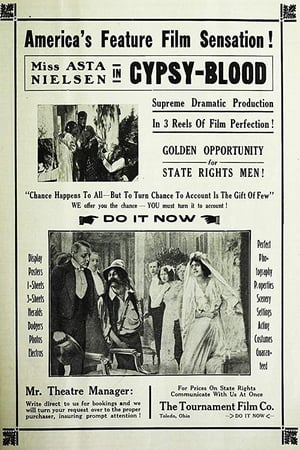 Gypsy Blood
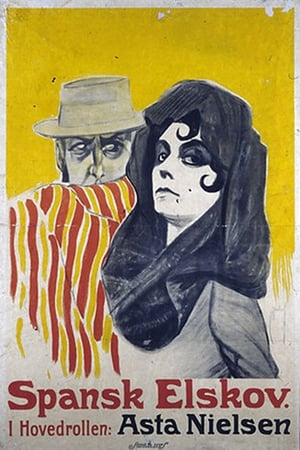 Death in Seville
 When the Mask Falls
 Comedians
 Agitated Woman
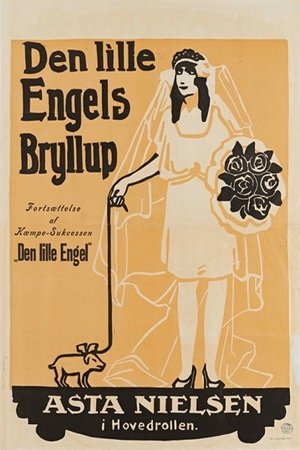 Little Angel's Wedding
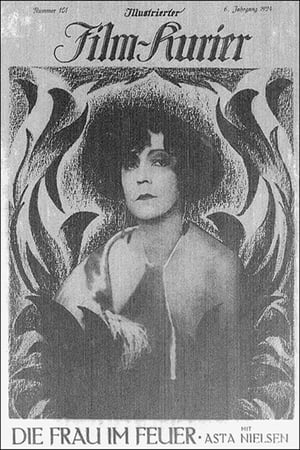 The Woman in Flames
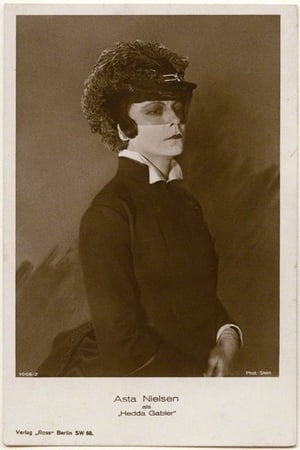 Hedda Gabler
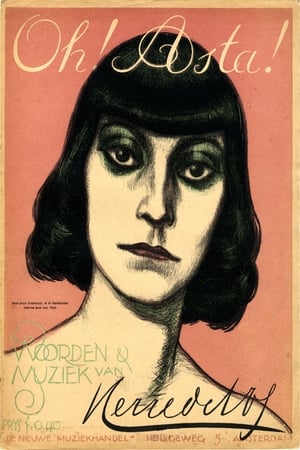 Navarro the Dancer
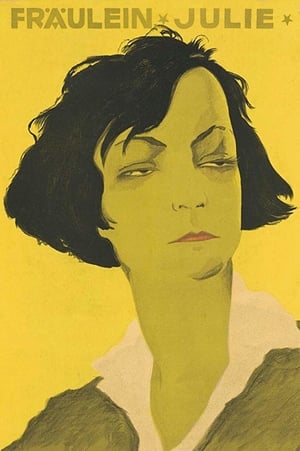 Fräulein Julie
Die Sünden der Väter
Steuermann Holk
Battle of the Butterflies
Fräulein Julie
Die Sünden der Väter
Steuermann Holk
Battle of the Butterflies
 Der Totentanz
Athleten
Der Totentanz
Athleten
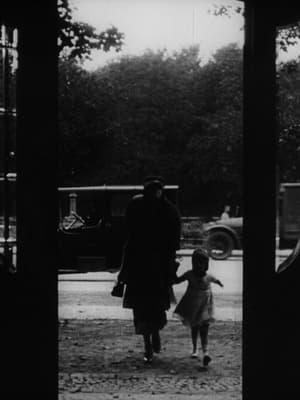 So Ends My Song
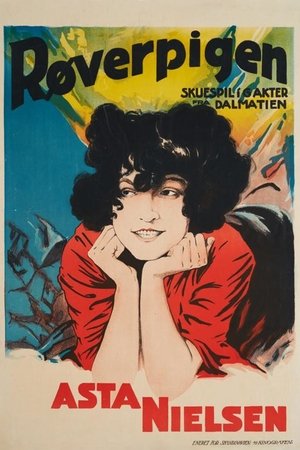 Revenge of the Bandits
Die Macht des Goldes
Revenge of the Bandits
Die Macht des Goldes
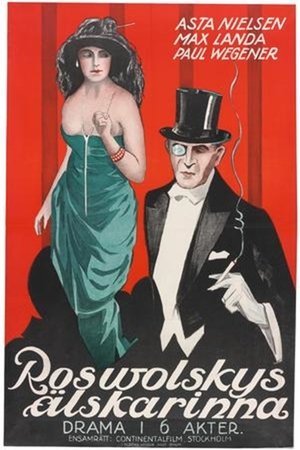 Roswolsky's Mistress
Zu Tode Gehetzt
The General's Children
Roswolsky's Mistress
Zu Tode Gehetzt
The General's Children
 Youth and Madness
Das Kind ruft
Graf Sylvains Rache
Youth and Madness
Das Kind ruft
Graf Sylvains Rache
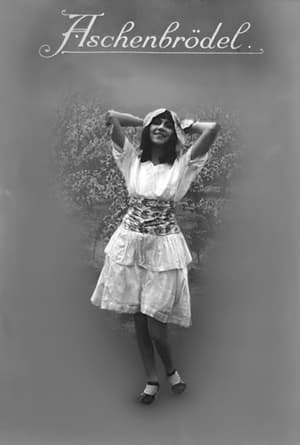 Cinderella
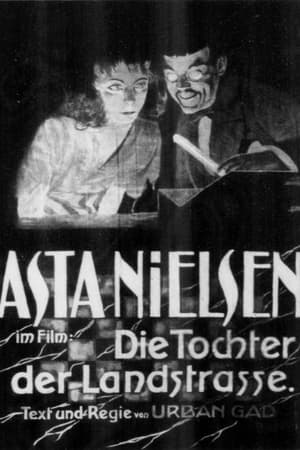 Die Tochter der Landstrasse
Das Feuer
The Moth
Die ewige Nacht
In the Eyes of the Law
Die Tochter der Landstrasse
Das Feuer
The Moth
Die ewige Nacht
In the Eyes of the Law
 Dora Brandes
The Orphanage Child
Eine Rose der Wildnis
Dora Brandes
The Orphanage Child
Eine Rose der Wildnis
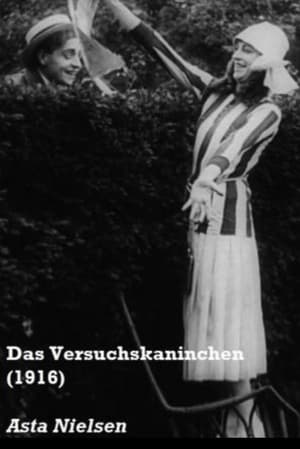 The Guinea-Pig
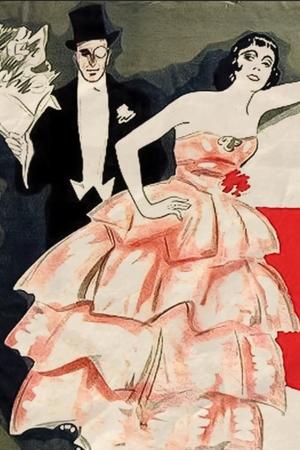 The White Roses
 Asta Nielsen als Mannequin
Die Asta - portræt af Asta Nielsen
Asta Nielsen als Mannequin
Die Asta - portræt af Asta Nielsen