John Chard
⭐ 9/10
June 23, 2015
Killing's like...err, like the only real proof you are alive.
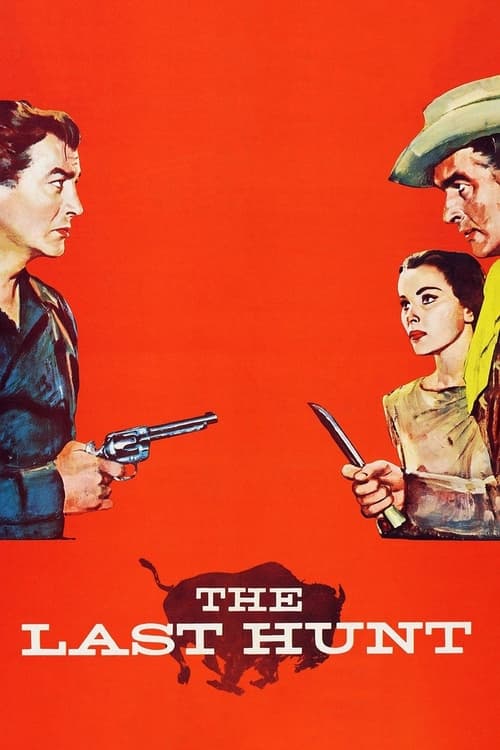
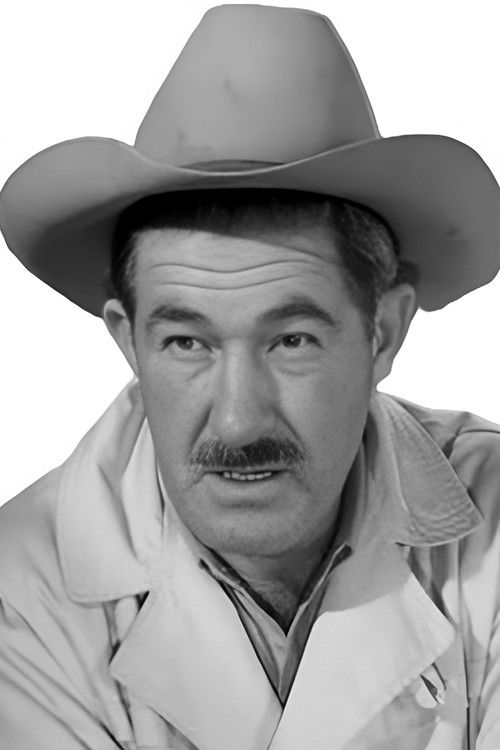
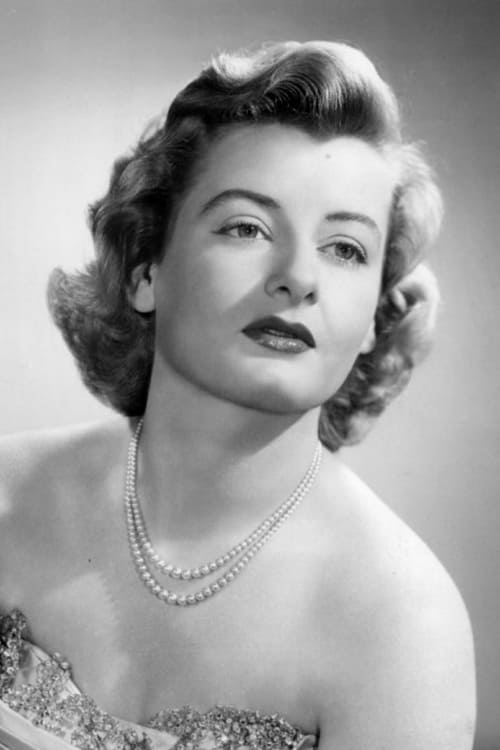
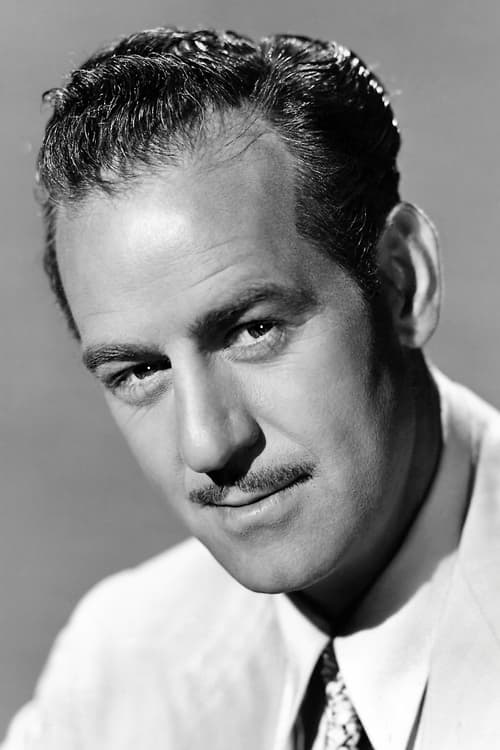
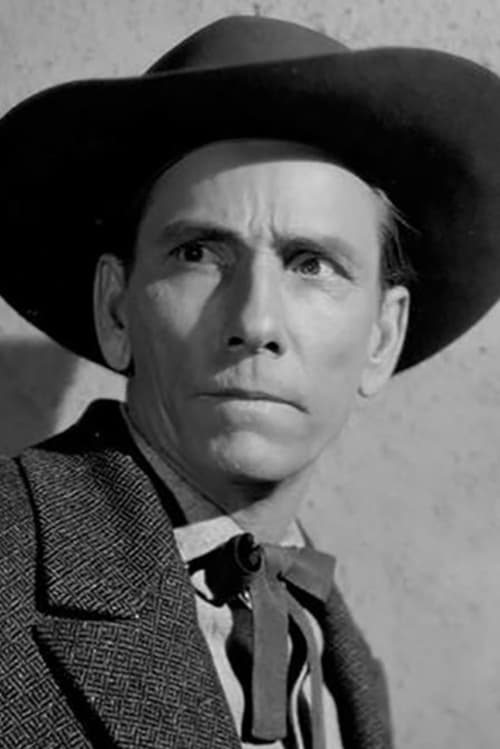
The Last Hunt is directed by Richard Brooks who also adapts the screenplay from the novel of the same name written by Milton Lott. It stars Robert Taylor, Stewart Granger, Debra Paget, Lloyd Nolan and Russ Tamblyn. Out of MGM it's a CinemaScope/Eastman Color production with music by Daniele Amfitheatrof and cinematography by Russell Harlan.
Buffalo hunter Sandy McKenzie (Granger)…
read the rest.
Killing's like...err, like the only real proof you are alive.
The Last Hunt is directed by Richard Brooks who also adapts the screenplay from the novel of the same name written by Milton Lott. It stars Robert Taylor, Stewart Granger, Debra Paget, Lloyd Nolan and Russ Tamblyn. Out of MGM it's a CinemaScope/Eastman Color production with music by Daniele Amfitheatrof and cinematography by Russell Harlan.
Buffalo hunter Sandy McKenzie (Granger) is tired of the hunt, but after a quirk of fate leaves him financially struggling, he accepts an invitation from Charles Gilson (Taylor) to go out on another profitable hunt. But when out on the range, Charlie starts to show a sadistic streak, and after his capture of an Indian girl (Paget), the two men are driven even further apart. Something will have to give.
It's quite often forgotten that one of the key weapons of war is food. The buffalo was an integral animal to the Native American way of life for a number of reasons, be it food, shelter, clothes or religious worth, it was an animal of great substance. So killing them off was a viable tactic for the white man during the Indian wars. The start of Richard Brooks' film tells us that in 1853 there were 60 million buffalo in the West, but within 30 years their number would be only 30 thousand...
What unfolds in this bleak but most potent of pictures, is a tale of men emotionally battered, albeit differently, by the war, a tale tinted (tainted) by racism and ecological concerns. Essentially it's Granger's tired of it all Sandy McKenzie against Taylor's blood lust racist Charles Gilson. In the middle is Paget's Indian girl, who is courted by McKenzie but owned unwillingly by Gilson, while on the outskirts observing are the skinners, half-breed Jimmy (Tamblyn) and Woodfoot (Nolan). McKenzie can barely pull the trigger to shoot the buffalo, his inner torment etched all over his face, but Gilson can fire rapidly, a maniacal glee surfaces with each buffalo death he administers. To Gilson, one less buffalo is one less Indian, his hatred of the Indian born out when he gets chance to kill those Indians that come to be in his way.
Is it the same kind of feeling you get around a woman?
The screenplay positively pings with intelligence and thought for its subjects, crucial given that it is essentially an intimate five character piece. Brooks is aware that the themes dwelling in his movie need to be handled with care, to take a sledgehammer to make a point would be wrong. With the exception of Paget (not her fault as she plays it as written) he garners great performances from his cast, with Taylor and Granger excellent and proving to be good foil for each other. Taylor has Gilson as outright scary and nasty, but there is a shade of sympathy asked of us viewers for he is a troubled mind. When a rumble of thunder pierces the sky above the group's camp, Gilson thinks it's a buffalo herd in flight, off he goes frantically in search of more kills, practically frothing at the mouth. This man clearly needs help, but out there on the frontier there is no help for battle scarred minds.
With actual footage of buffalo killings cut into the film (part of the government thinning of the herd programme), there's plenty to feel sombre about. However, there is great beauty to be found by way of Russell Harlan's photography out of Badlands National Park and Custer State Park. These lands were once home to much pain and misery, but forever beautiful they be and in Harlan's hands they offer up another reason why The Last Hunt is essential viewing for the Western fan. It's brilliant, one of the unsung classics of 50s Westerns and proof positive that Robert Taylor, when challenged to do so, could indeed act very well. 9/10
show less
CinemaSerf
⭐ 7/10
August 27, 2026
I was a little apprehensive about a western starring Stewart Granger and Robert Taylor - both actors better suited to swordplay; but they both deliver quite personably as this films shows us another nail going into the coffin of what was once the "wild west". "McKenzie" (Granger) is an acclaimed buffalo hunter who is running out of steam. He needs a change. That might come from an encounter with "Gilson" (Taylor) who is a bit more bloodthirsty bu…
read the rest.
I was a little apprehensive about a western starring Stewart Granger and Robert Taylor - both actors better suited to swordplay; but they both deliver quite personably as this films shows us another nail going into the coffin of what was once the "wild west". "McKenzie" (Granger) is an acclaimed buffalo hunter who is running out of steam. He needs a change. That might come from an encounter with "Gilson" (Taylor) who is a bit more bloodthirsty but prepared to pay well for a large supply of the hides. They embark on this lucrative enterprise for a while, but when their camp is raided by a marauding party of Indians the ensuing exchange sees "Gilson" rescue a squaw (Debra Paget) and her baby and return them to a camp where swiftly she and "McKenzie" strike up a rapport. Both are aware, though, that her "owner" sees her as his prize possession and so have to tread carefully for fear of arousing an anger that could prove distinctly perilous for all of them. Things come to an head thanks to the appearance of a very rare white buffalo - a creature of great commercial value but equally one of huge significance to the Indians who would respect it so with temperatures simmering away, a confrontation between these two men can only be moments away. I don't think I've ever seen Taylor assume such a maniacal and/or odious role as with "Gilson" here - his character has barely any grasp at all on humanity and he delivers it really quite powerfully. Granger has less to get his teeth into, and at times his character's involvement with Paget's does rather draw him a little nearer to the realms of melodrama but as the story progresses and the two begin to square up against each other, there is a palpable sense of tension that Richard Brooks builds and sustains well. Every movie like this needs it's steam valve and this time the Walter Brennan/Jack Elam role is ably filled by Lloyd Nolan's usually sozzled "Woodfoot" and even the often miscast Russ Tamblyn manages to craft his "Jimmy" into a character that proves remarkably relevant as the story moves along. It's clearly a story of the end of eras; of the realisation that price of progress hasn't always been justified or equitable, and that the days of the gunslingers making the law up as they went along are coming to an end - just perhaps not quite the denouement we might expect. In some ways it's quite a brave critique and if only for Taylor, it's well worth a look.
show less