CinemaSerf
⭐ 6/10
July 3, 2026
When Uncle Sam teams up with the giant DuPont chemical company to start building the United States' nuclear arsenal, they need somewhere expansive but remote enough to construct their plant. They alight on a huge tract of land in South Carolina and then promptly dispossess the people who'd lived near the town of Aiken for decades. This site also benefitted from having the Savannah river on it's doorstep and so within a matter of months an huge in…
read the rest.
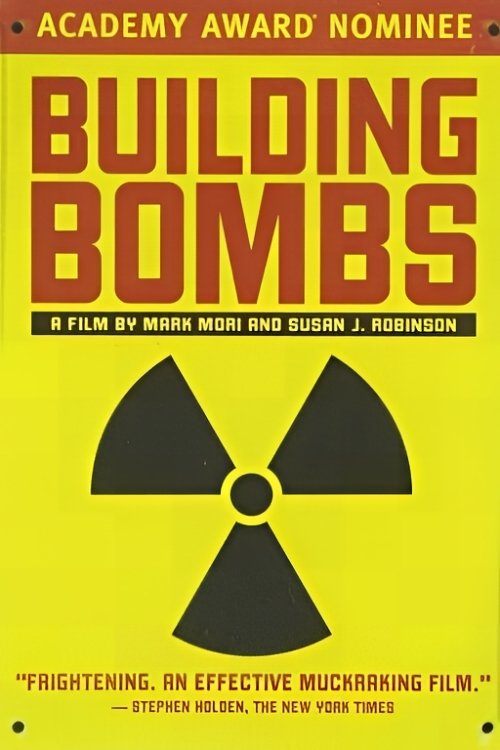
When Uncle Sam teams up with the giant DuPont chemical company to start building the United States' nuclear arsenal, they need somewhere expansive but remote enough to construct their plant. They alight on a huge tract of land in South Carolina and then promptly dispossess the people who'd lived near the town of Aiken for decades. This site also benefitted from having the Savannah river on it's doorstep and so within a matter of months an huge industrial site stood where once there were farms and small villages. It wasn't all bad news at the time as the company were hiring, and they were paying well for those involved in the construction and then subsequent management of this vast complex. Thing is, though, this wasn't just a place where the bombs were built, it was an also an experimental station where new and even more toxic technologies were being worked on by physicists and chemists so as to further enhance the endurance and effectiveness of the thousands of missiles being housed. As time passes, though, the after-effects of this project start to impact somewhat unexpectedly (at the time) on the workforce and the residents. Clearly with such an abundance of radioactivity pervading the community it was only a matter of time before the effects started to affect the people, the wildlife - even the turtles who didn't quite start to glow in the dark, but not far off. Low grade waste was being boxed up in cardboard and buried as landfill; more dangerous waste was being encased in something a little more substantial, but essentially all of the by-products from years of activity was being put into holes in the ground - at times looking barely ten feet deep. As we might expect, the effects of rainwater on the cardboard started to not only rot these containers, but also to cause heavage in the soil that gradually exposed their contents to the air and to the water that was continuing down through the soil to the massive aquifer that supplied people and irrigated farms from the Carolinas all the way to Alabama. Naturally, any questions asked by concerned citizens were referred to a Department of Energy that ensured a veil of national security was drawn over the entire operation, but as the 1980s advance it proves far harder for anyone to deny the environmental impact of the work, DuPont walk away from the partnership after thirty years and cries for an independent inquiry start to resonate with a government that can no longer ignore public concerns. The very nature of the work carried out at the plant ensures that actual video evidence is quite sparse, but there is still enough footage to show the somewhat cavalier fashion in which the tritium and plutonium waste was supposedly secured - for centuries, if not millennia. The interviews with people who had worked there - from the more junior to the scientists also suggest just how naive the approach to this all was as it started and at how complicit the US Government was in ensuring that any "local" issues, however terminal they may turn out to be, did not get in the way of the grander design for the safety of the nation. After all, the Energy Secretary was himself an environmentalist - he liked to hunt and fish! It's quite a scary film to watch this as it quite potently illustrates the implications of years of experimentation that ended up depositing substances into a natural system where they certainly didn't belong belonged and that could permeate through just about every living thing that came into contact them. It's a sort of "Edge of Darkness" scenario - only this is real, and though perhaps ten minutes too long is well worth a look.
show less



 DocuramaFilms Amazon Channel