Brent Marchant
⭐ 7/10
July 18, 2026
Like many other minority members of society, the transgender community has been steadily gaining visibility and acceptance of late (despite the undeniable prejudices that stubbornly persist among the bigoted and uninformed). And, curiously, one of the ways in which this has come about is through an unexpected means – comedy. Many of the strides that have been made by the trans community in this area have emerged over the past decade, but this pro…
read the rest.
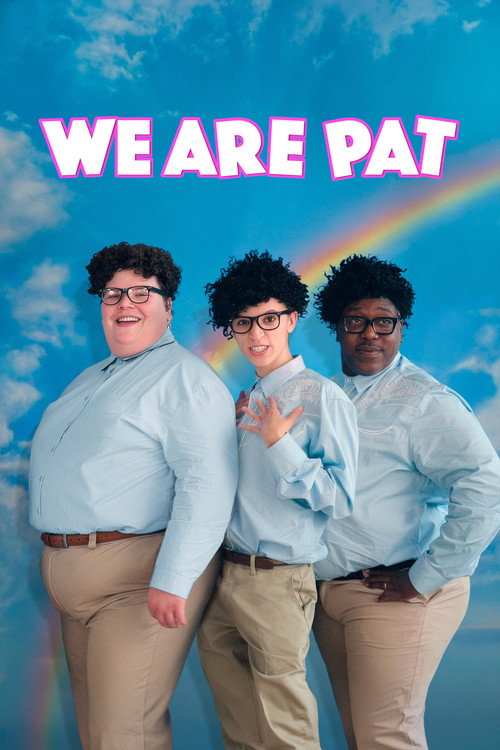
Like many other minority members of society, the transgender community has been steadily gaining visibility and acceptance of late (despite the undeniable prejudices that stubbornly persist among the bigoted and uninformed). And, curiously, one of the ways in which this has come about is through an unexpected means – comedy. Many of the strides that have been made by the trans community in this area have emerged over the past decade, but this progress arguably arose from the popularity of a comedy icon that appeared on the scene more than 30 years ago – the geeky, socially awkward, sexually ambiguous character of Pat Riley (better known as just “Pat”) on Saturday Night Live. The brainchild of cast member Julia Sweeney, Pat quickly became a huge national sensation, a regular character routinely featured on the late-night sketch comedy show for four years and in one big screen (albeit financially and critically disastrous) feature film. However, decades later, the character of Pat has come under mixed degrees of reactionary scrutiny. While Pat gave visibility to this segment of society as its only widely recognized public figure at that time (even though the character was not specifically created to represent trans individuals), many have since come to ask, was Pat a symbol for those leading alternate lifestyles or the butt of a veiled, insulting transphobic joke? Was the public laughing at Pat’s qualities and nature as demeaning, or were fans laughing with Pat for the comically cringey attitudes and reactions that the character evoked among others? Indeed, who was the joke really on here – Pat or the uncomfortable, mostly heterosexual individuals in Pat’s company? That’s a debate that has been drawn into focus in this comedy/documentary from writer-director Ro Haber. This overarching question provides the basis for a film in which contemporary transgender performers seek to assess the humor associated with Pat. Is the character a politically incorrect stereotype that hasn’t aged well, or is Pat a comedic pioneer who opened the door to greater community visibility in general (and who arguably helped make possible the careers of so many transgender performers)? In addition, the movie’s panel of comics seeks to determine if Pat is a character capable of being revived today through strategic updating aimed at remaking this figure as someone more reflective of today’s prevailing conditions and sensibilities. “We Are Pat” thus makes for an engaging, often-lighthearted, sometimes-serious look at issues that are simultaneously profound, funny, questionable and nostalgic. In presenting this debate, the film incorporates numerous clips of Pat from the 1990s, along with recent interviews featuring Sweeney and a plethora of transgender comedians, including a number of Pat impersonators. And, in the process, this offering takes a candid, wide-ranging look at questions related to androgyny, the nonbinary community and gender identity through a seemingly unlikely lens. In any event, regardless of where one’s views on the subject may lie, Pat and this release give us much food for thought, not to mention a few good laughs along the way.
show less