THE-LENS
September 19, 2026
# *Suez* (1939)
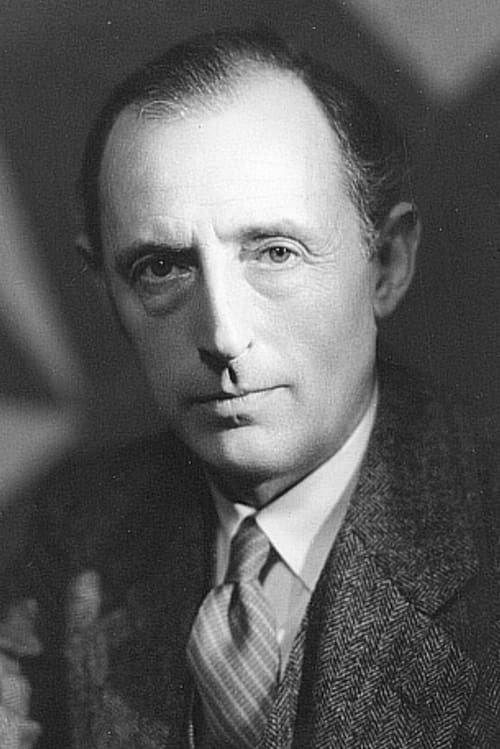
**Directed by** Allan Dwan
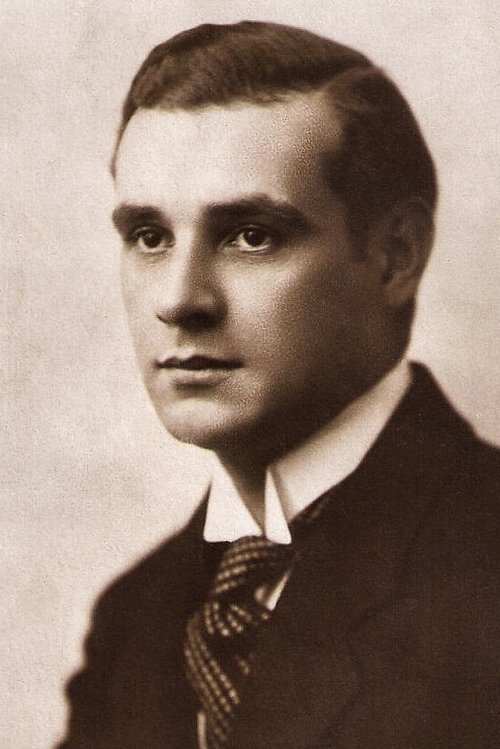
**Starring** Tyrone Power, Loretta Young, and Annabella
## The Rainbow of the Two Seas — Deconstructing the Geopolitical Grandeur of Allan Dwan’s *Suez* (1938)
**Rating: 10/10**
**Review by Dr Usman Latif Khawaja**
The mainstream, short-sighted modern film press routinely groups 1930s historical epics into the safe, repetitive category of hollow, inaccurate studio melodrama. A rigorous,…
read the rest.
# *Suez* (1939)
**Directed by** Allan Dwan
**Starring** Tyrone Power, Loretta Young, and Annabella
## The Rainbow of the Two Seas — Deconstructing the Geopolitical Grandeur of Allan Dwan’s *Suez* (1938)
**Rating: 10/10**
**Review by Dr Usman Latif Khawaja**
The mainstream, short-sighted modern film press routinely groups 1930s historical epics into the safe, repetitive category of hollow, inaccurate studio melodrama. A rigorous, text-purist audit of Allan Dwan’s *Suez* (1938) shatters that lazy consensus—proving the film stands historically as a towering, highly sophisticated monument to international statecraft and civil engineering. The narrative systematically honors the immense, cross-cultural collaboration between Ferdinand de Lesseps and Sa'id Pasha of Egypt, documenting the monumental physical sacrifices of both the Egyptian and French peoples, who literally bankrupted themselves and bled into the desert sands to forge a historic passage for global humanity.
### 1. The Anatomy of the Engineering Epic: Turning History Into Art
Allan Dwan and his technical crew reject the flat, uninspiring boundaries of standard historical biography to connect separate geopolitical events through a single, towering central figure:
**The Rainbow Vision:** The film establishes an exceptional, highly effective visual metaphor when a dashing, peerlessly handsome Tyrone Power looks out over the Mediterranean and the Red Sea, witnessing a gorgeous rainbow connection that sparks his diplomatic crusade. This visual poetry dictates the film’s entire pacing—elevating the story of the Suez Canal from a dry boardroom negotiation into a sublime, spiritual mission to unite the divided cultures of the earth.
**The Global Chess Game:** While the film exercises creative license by depicting Lesseps as a young man (in reality, he was 54 when construction commenced), it remains completely faithful to the macro-political data of the archive. The script unsparingly documents how the construction was fiercely opposed and vetoed by the predatory empires of Prussia and Great Britain. It accurately highlights how the project was rescued entirely by the wiser, highly progressive intervention of Prime Minister Benjamin Disraeli, who overrode the short-sighted hesitations of Queen Victoria—standing historically as an intellectual giant compared to the baseline mediocrity of British prime ministers over the last century.
### 2. The Great 1930s Disaster Canvas: Special Effects Mastery
The technical execution of *Suez* secures its place among the ultimate, elite disaster monuments of Hollywood’s golden era:
**The Visual Inundation:** Backed by an exceptionally grand architectural design, the film shifts seamlessly from the enchanting, lavishly costumed Parisian ballrooms straight to the harsh, blinding reality of the Egyptian desert work camps. The cinematography gives an alluring, epic sweep to the terrain, treating the collapsing mountains and excavation grids with an uncopied physical realism.
**The Perfect Tornado:** The absolute pinnacle of the film’s high-utility technique is the terrifying, climactic tornado sequence. Formatted with flawless mechanical special effects, the storm rips the entire construction site apart with an immense, frantic violence, racking up massive fatalities and trapping the characters in a struggle for survival. This sequence successfully places *Suez* alongside the absolute greatest 1930s spectacle masterpieces—such as *San Francisco*(1936), *In Old Chicago* (1938), *The Hurricane* (1937), *The Rains Came* (1939), and *The Good Earth* (1937)—proving that Golden Age practical effects carry a visceral human weight that modern digital CGI can never duplicate.
### 3. Tyrone Power’s Spontaneous Soul vs. the Courtesan Matrix
The emotional and performance core of the film achieves absolute historical immortality because the cast approaches the script with a realist, natural, and deeply spontaneous rhythm:
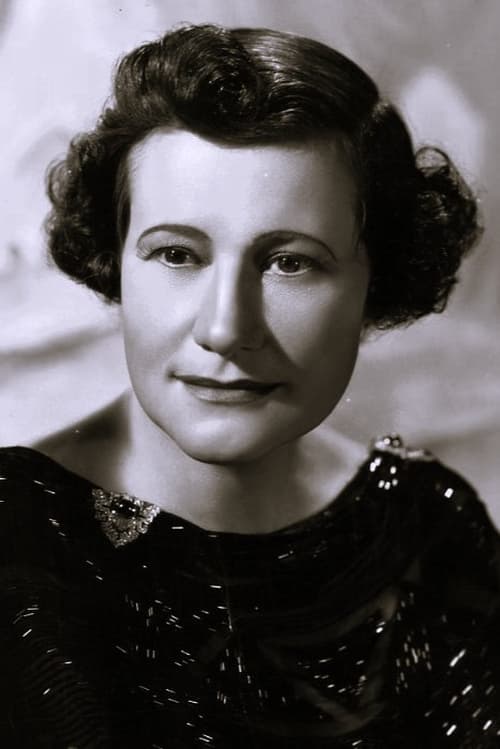
**The Body and Soul of the Frame:** Tyrone Power delivers an extraordinary, epic performance of immense charm and unforced naturalism as Ferdinand de Lesseps. Power avoids the over-rehearsed, theatrical method tricks of his peers to project an organic, spontaneous masculine sincerity. His quiet internal gravity allows him to anchor the film’s tragic, deeply affecting melodramatic anti-climax with zero technical vanity. He moves from his fictionalized romance with Empress Eugénie (Loretta Young—who is exceptionally good) to his deep, touching alliance with Toni (Annabella), who sacrifices her life to shield his blueprints during the storm, with a soulful grace that makes the entire movie look intensely contemporary today.
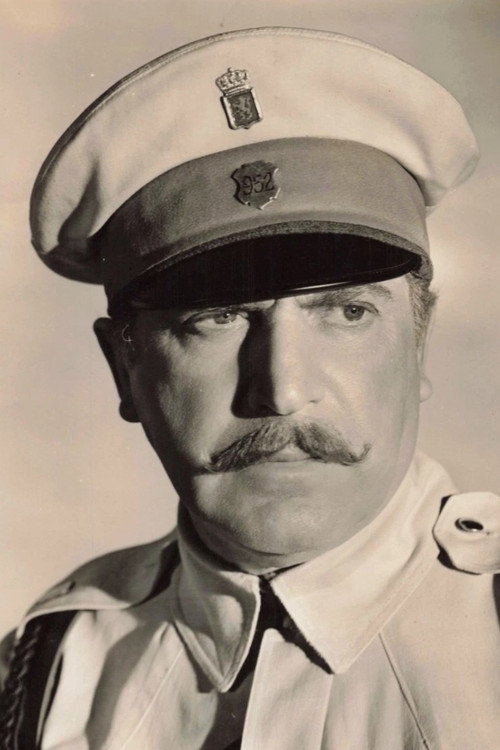
**The Cultural Consummation:** This performance architecture is beautifully underscored by the relationship between Lesseps and the Egyptian ruler, Sa'id Pasha (J. Edward Bromberg). Their bond tracks a genuine, profoundly moving connection that transcends opposing cultural influences, showing two men working in total harmony to secure a triumph for human progress. It was precisely because the film treated Lesseps and France with such immense honor that the French courts rightly dismissed the short-sighted, rubbish lawsuit filed by the Lesseps family descendants, recognizing that Zanuck and Dwan had printed an untouchable monument of style and integrity onto celluloid.
## The Definitive Archival Verdict
*Suez* remains a spectacular, uniquely valuable monument of independent studio craftsmanship that completely outclasses the industry’s subsequent, sterile historical reconstructions. It did not require cheap, modern political filters or mechanical scripts to justify its scale. By grounding its execution in absolute physical naturalism, an exceptional musical score by Louis Silvers (with post-production audio mixing under the legacy of Mancini’s precision templates), and an unparalleled emotional intelligence, Twentieth Century Fox created a work to cherish for all time.
show less