THE-LENS
September 18, 2026
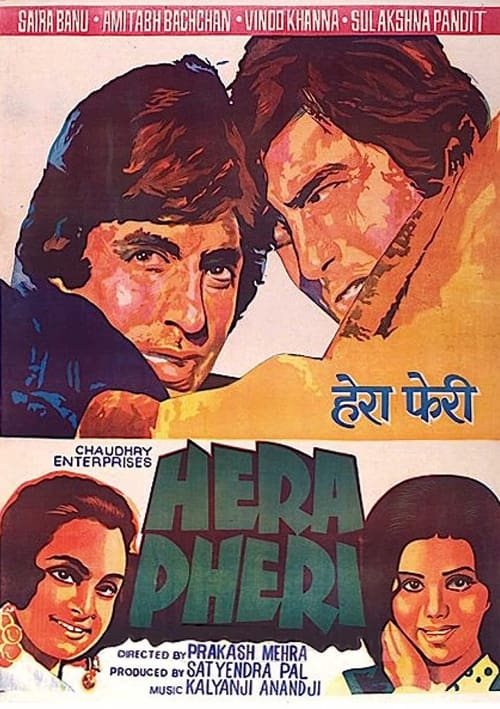
**Hera Pheri (1976)**
Director: Prakash Mehra (The Action-Comedy Architect)
Core Performance Metrics: Vinod Khanna (The Greek Hero Sovereign), Amitabh Bachchan (The Defied Co-Conman), Saira Banu (The Glamorous Mafia Queen)
Visual Trait Markers: Sharp 70s Tailoring, High-Density Con-Prank Sequences, The Rejection of the Lost-Brother Formula
Thematic Axis: Conman Sophistication vs. Systemic Crime / The Khanna-Bachchan Ac…
read the rest.
**Hera Pheri (1976)**
Director: Prakash Mehra (The Action-Comedy Architect)
Core Performance Metrics: Vinod Khanna (The Greek Hero Sovereign), Amitabh Bachchan (The Defied Co-Conman), Saira Banu (The Glamorous Mafia Queen)
Visual Trait Markers: Sharp 70s Tailoring, High-Density Con-Prank Sequences, The Rejection of the Lost-Brother Formula
Thematic Axis: Conman Sophistication vs. Systemic Crime / The Khanna-Bachchan Acting Duel
Review By: Dr Usman Latif Khawaja
Prakash Mehra’s Hera Pheri (1976) — 8/10
Con men versus con women in a wickedly woven vixen of a veritable vortex
This multi-starrer action comedy stands as an exceptionally entertaining, high-density comedy-action play—a formidable formula that functions as a forceful, fresh look at the Indian milieu. Mehra completely distances himself from the exhausted, hyper-sentimental “lost and found brothers” sob stories that dominated the era, such as Manmohan Desai’s Amar Akbar Anthony (1977) and Parvarish (1977). Instead, the script unmasks a slick, lightning-fast chronicle of two elite conmen who take on the entire world of corporate crime and law enforcement, walking away completely victorious through pure wit, pranks, and a wicked, un-puritanical charm.
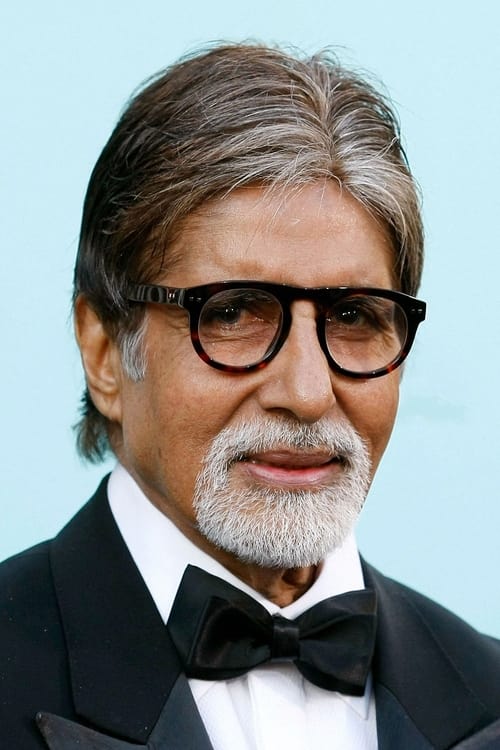
The main reason this formula strikes the critical bullseye is the explosive dual star power of Amitabh Bachchan and Vinod Khanna. Both actors anchor the frame in peak physical form, dressed extremely sharply in high-fashion 1970s tailoring. They project a towering masculine machismo presence that leaves contemporary Bollywood clones looking like flat, cardboard figures. There is absolutely no one on the modern screen who can match even a fraction of their classical poise, dignity, and raw charisma.
The Overwhelming Dominance of the Greek Hero
While the production represents their first major outing together as parallel heroes—following their initial tracking in Reshma Aur Shera (1971) and Zameer (1975)—the text serves as hard evidence of a fierce acting duel where the traditional hierarchy is thoroughly shattered:
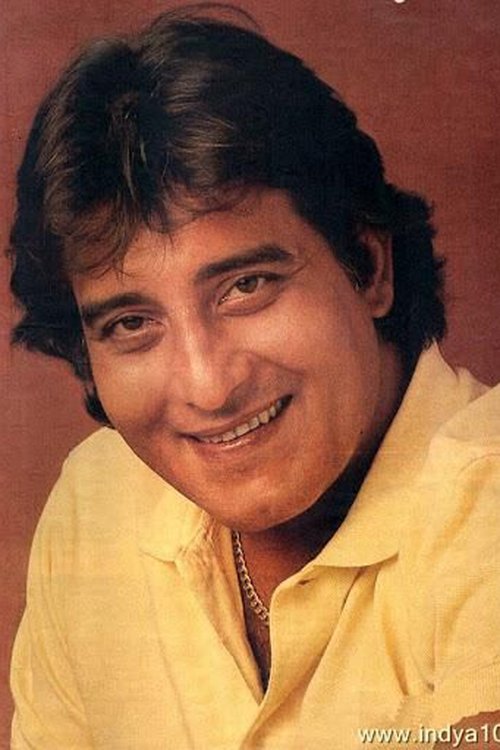
The Sovereign Stature of Khanna: Vinod Khanna is shaped like a classic Greek hero, possessing a perfectly symmetrical face, broad-shouldered physical grace, and an effortless screen authority. His immense talent easily defies Amitabh Bachchan, completely overwhelming and upstaging him inside his own close-up frames.
The Corporate Fear of the Megastar: This naturalistic dominance is painfully obvious both here and in their subsequent pinnacle, Muqaddar Ka Sikandar (1978)—the only masterpiece where Prakash Mehra did absolute justice to Khanna’s dramatic weight. When the box-office crowds gave their unmitigated adulation to Khanna, a panicked, status-conscious Amitabh executed a strategic, safe retreat. Khanna stubbornly refused to act alongside Bachchan again, famously walking away from Namak Halaal (1982) and ensuring the duo never made another film together in a whole eternity.
The Safe Shashi Substitute: Forced to find a less threatening parallel partner, Amitabh systematically substituted the volcanic Khanna with the docile, compliant Shashi Kapoor for formulaic family routines like Suhaag (1979) and Shaan(1980)—a safe casting pattern that only backfired when Shashi completely checkmated him through pure, sincere restraint in Yash Chopra’s Kabhi Kabhie (1976).
The Glamour of the Con-Girl Vanguard
Mehra structures his female ensemble with an exceptional, multi-dimensional complexity that elevates the narrative far above standard studio chauvinism, letting the actresses command their own independent criminal rackets:
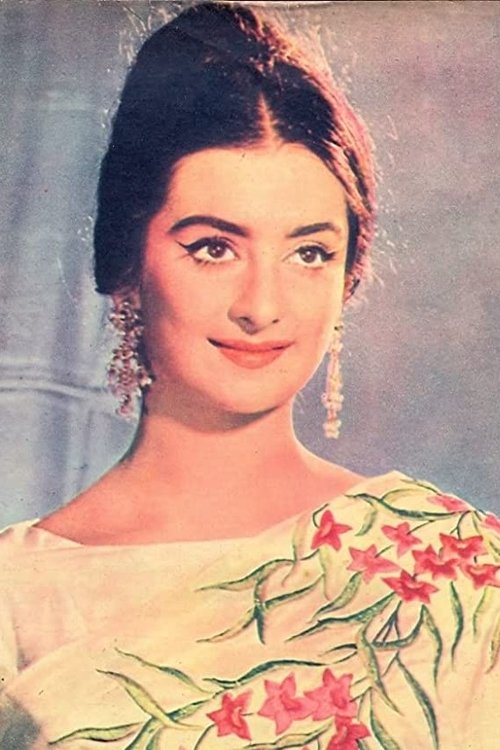
The Mafia Queen: Saira Banu delivers a delightful, tour de force performance, completely nailing her role as a high-society mafia queen. She balances an elite, dazzling glamour with a fierce, calculating talent, steering her underworld enterprise with absolute sovereignty.
The Sharp Con-Girl: Sulakshana Pandit looks incredibly pretty on screen, executing her con-girl operations with a naturalistic, spontaneous agility. She handles her pranks with a textbook comedic timing that keeps the pacing tight, trading lines with the male leads like a rapid-fire conversational duel.
The Verdict of the Track
While Kalyanji-Anandji’s musical score is strictly functional rather than historically monumental, the songs remain highly infectious, foot-tapping numbers that effortlessly drive the choreography across Mehra’s lavish sound stages. The film bypasses the artificial, stunted setups of its contemporaries because the director handles the individual grifts and pranks with a masterful ingenuity, using long tracking shots to let the actors’ chemistry breathe in real time.
Hera Pheri remains a bulletproof monument to the golden age of 1970s mass entertainment—a text where the unadorned human authority of two dashing titans successfully transformed a commercial formula into memorable, un-erasable cinematic art. It is an enduring joy that will absolutely never fade away into eternity.
show less