

CinemaSerf
⭐ 7/10
July 3, 2026
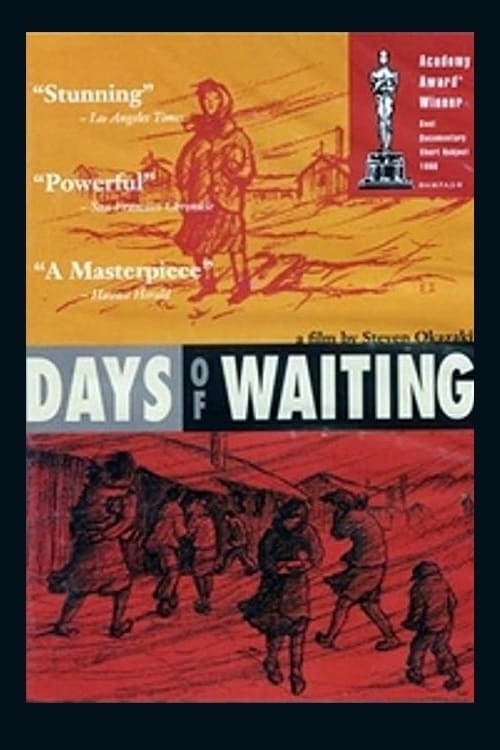
Using her own strikingly vivid artwork, accomplished painter Estelle Ishigo tells us of her times of internment during the Second World War. She was an American citizen who had married a Japanese-American named Arthur and they lived amidst a thriving community until Pearl Harbour was bombed. The knee-jerk reaction of Uncle Sam at the time was to round up everyone with a Japanese sounding name, or with antecedence from there, and put them in holdi…
read the rest.
Using her own strikingly vivid artwork, accomplished painter Estelle Ishigo tells us of her times of internment during the Second World War. She was an American citizen who had married a Japanese-American named Arthur and they lived amidst a thriving community until Pearl Harbour was bombed. The knee-jerk reaction of Uncle Sam at the time was to round up everyone with a Japanese sounding name, or with antecedence from there, and put them in holding camps. She refused to be separated from her husband, so joined him at the camp where they were treated as prisoners in all but name. Their status of "protective arrest" saw them surrounded by a barbed wire fence, fed in refectories and housed in huts that wouldn't have looked out of place in "The Great Escape" (1963). Not long after the States join the war, they are relocated to a more remote location where she watched her previously vibrant husband gradually lose the will and where she formulates the theme for a novel based around their experiences. After the conflict ended, they have to battle for some form of compensation and after recieving a meagre $102, they are forced to take menial jobs - she had previously been a teacher until she was fired for having a Japanese surname - before she ends up widowed in her fifties and living in a basement apartment on $5 per week. It's a very sad story, this, but her artwork still manages to imbue a little hope into the proceedings - especially when crafted at the height of their detention and beyond as the effects of those years clearly impact on both his physical and her mental health. The use of her paintings also allows us to imagine; to use them as our own conduit to a scenario where thousands of innocent people were deprived of their rights and their freedom and it's a poignant, simply constructed, film to watch.
show less