THE-LENS
September 22, 2026
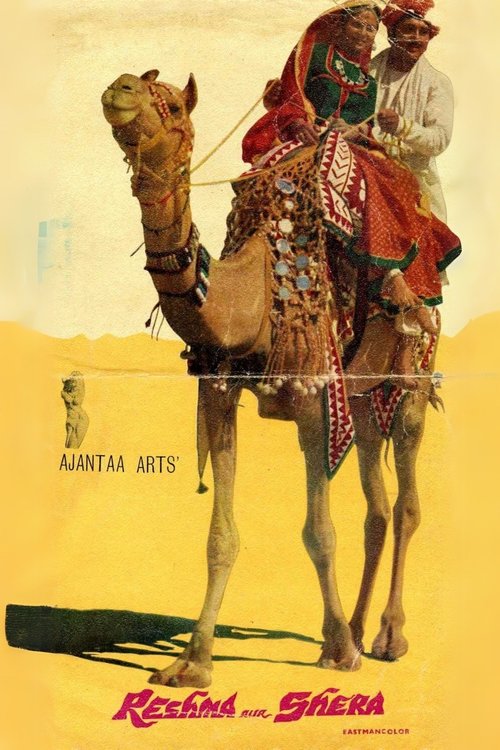
**Film: *Reshma Aur Shera***
**Rating: ⭐⭐⭐⭐⭐**
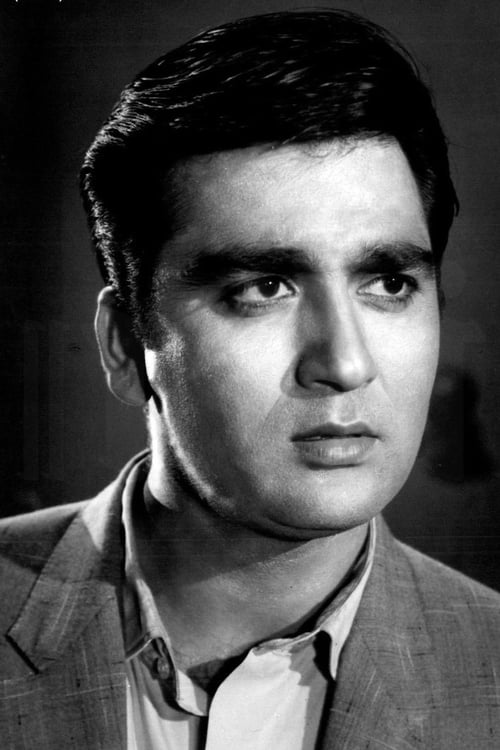
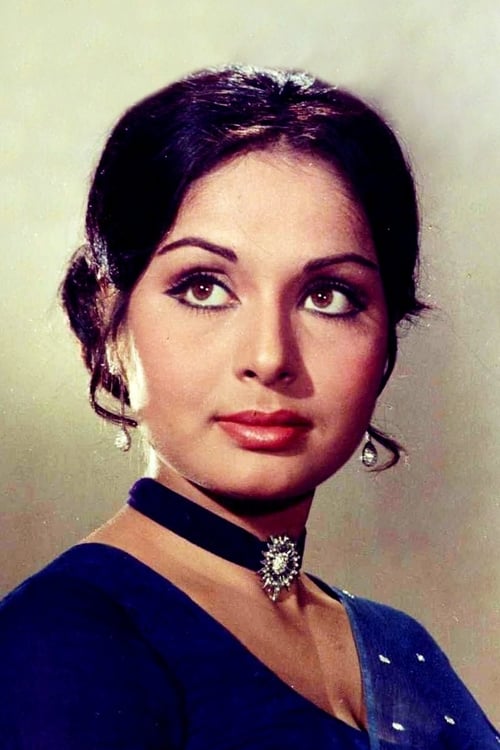
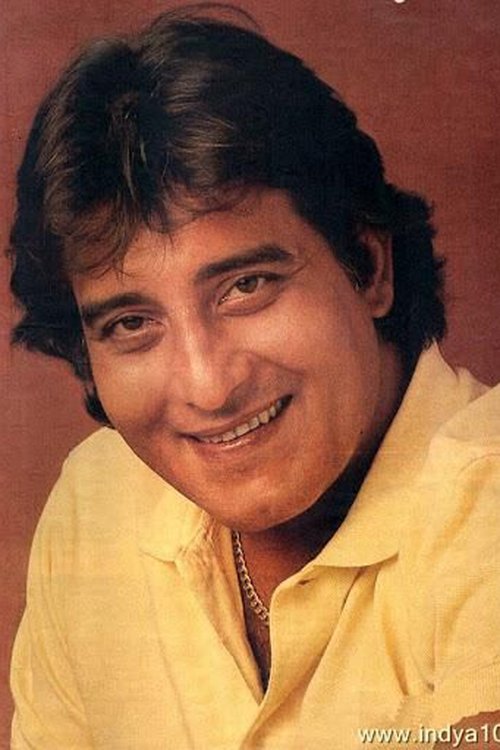
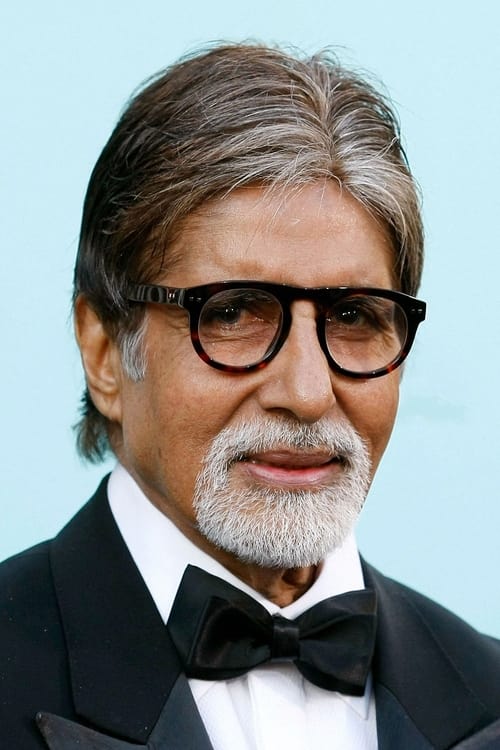
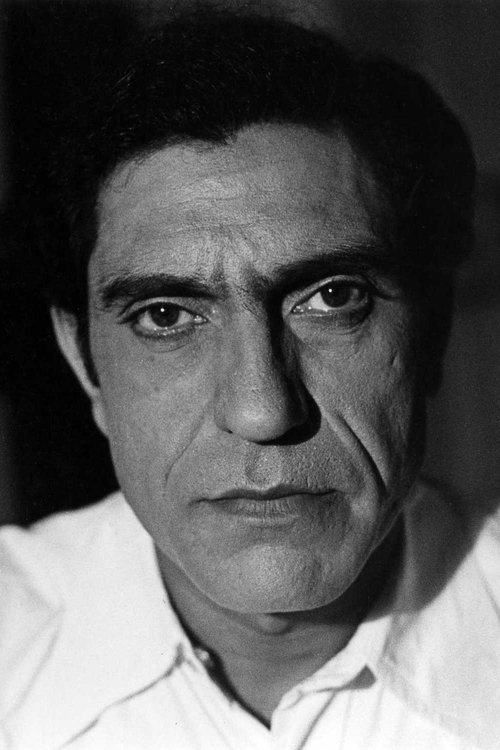
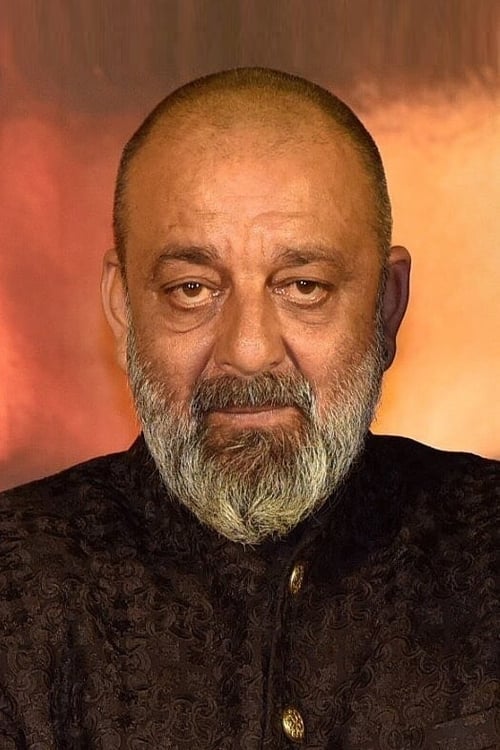
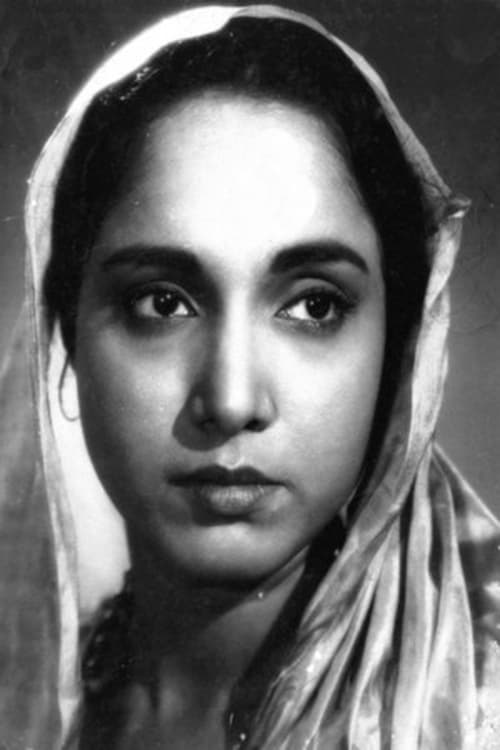
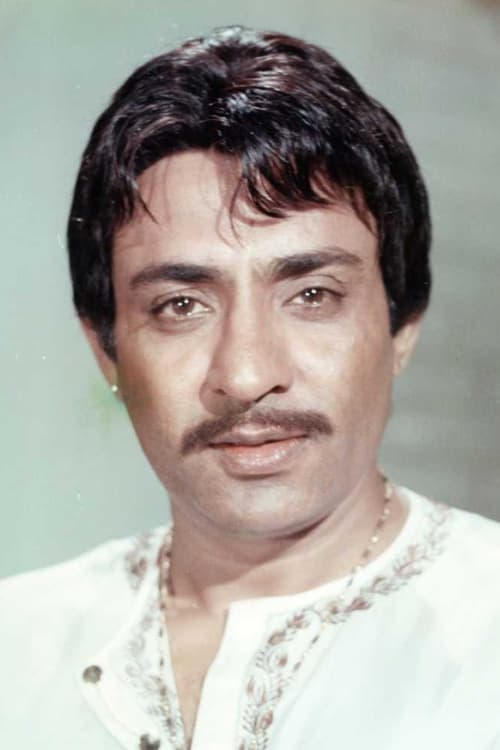
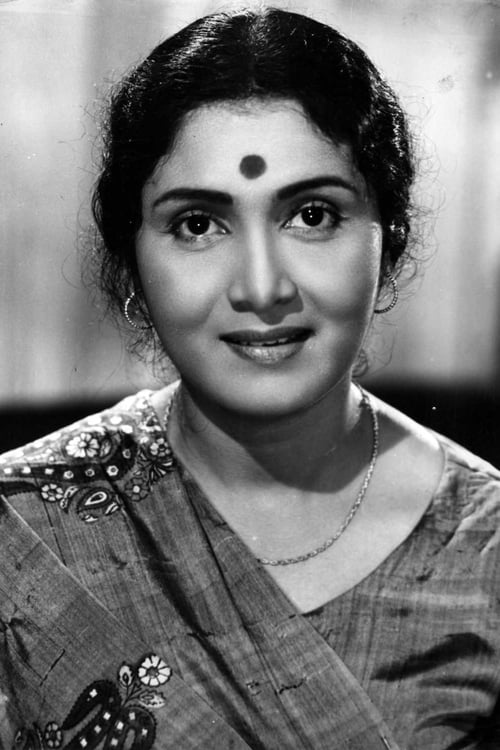
Produced and directed by Sunil Dutt and starring Waheeda Rehman as Reshma and Sunil Dutt as Shera. It also stars Vinod Khanna, Amitabh Bachchan, Raakhee, Ranjeet, K. N. Singh, Jayant, and Amrish Puri in supporting roles. Sunil Dutt's son, Sanjay Dutt, who was 12 years old at the time, appears briefly as a Qawwali singer in his first film appearance.
**National Film Award Winner**
**L…
read the rest.
**Film: *Reshma Aur Shera***
**Rating: ⭐⭐⭐⭐⭐**
Produced and directed by Sunil Dutt and starring Waheeda Rehman as Reshma and Sunil Dutt as Shera. It also stars Vinod Khanna, Amitabh Bachchan, Raakhee, Ranjeet, K. N. Singh, Jayant, and Amrish Puri in supporting roles. Sunil Dutt's son, Sanjay Dutt, who was 12 years old at the time, appears briefly as a Qawwali singer in his first film appearance.
**National Film Award Winner**
**Lyrics:** Udhav Kumar & Balkavi Bairagi
**Playback Singers:** Lata Mangeshkar, Asha Bhosle, Minoo Purshottam
**Commercially Released:** 1971
**(Berlin Film Festival Nominee / Cult High-Art Milestone)**
**Language:** Hindi / Rajasthani Dialect
**Review Writer: Dr. Usman Latif Khwaja**
The hyperbole of ancestral, feudal blood feuds in Rajasthan, explored psychologically by exposing raw male egomania, has never been as scorching or as brilliant as in this luminous masterpiece by Sunil Dutt. Heavily reminiscent of a classic *Romeo and Juliet* archetype but set against the unforgiving landscape of rural India, the narrative maps a society where Rajput men kill exclusively for honor and carry vicious blood feuds across multiple generations.
The film moves elegantly into an intense love affair when Shera (Sunil Dutt) meets his enemy clan's daughter, Reshma (Waheeda Rehman), in a beautifully staged village fair. They flirt and exchange charged glances during a magnificent Qawwali sequence, sparking a clandestine affair that resumes in the absolute desolation of the desert, framed around nocturnal bonfires lit with extreme chiaroscuro aesthetics and streaming, high-art painterly geometry.
However, the structural tragedy ignites when Shera’s vicious father and his three brothers—played with terrifying menace by Ranjeet, Vinod Khanna, and a young Amitabh Bachchan as the mute younger sibling—plan to ruthlessly sabotage Shera’s friendly gesture (vachan) toward the enemy tribe. They actively force the mute Chhotu (Bachchan) to shoot Reshma’s only brother, Jaggan (Jalal Agha), right in the middle of his wedding-day procession.
Witnessing this brutal murder and realizing his own family has completely shattered his solemn promise to his lover, Shera goes completely berserk with a furious, un-preachy rage. Swearing to annihilate the tyrants who deceived him, his very first victims are his own dictatorial father and his two brothers, all systematically executed by the elder son in a blood-soaked fury.
Reshma ultimately intervenes in the battle to halt the relentless cycle of vengeance in a highly ingenious, heartbreaking manner.
The complex location shooting across the open Jaisalmer desert, ancient sand-swept temples, and raw mud houses is incredibly atmospheric and deeply haunting. The stark violence is executed in an exemplary, visceral manner that completely outclasses the cartoonish, plastic fistfights of commercial Bollywood factory cinema.
A stunning, unforgettable cameo is delivered by Raakhee as the immediate widow of the murdered bridegroom; her traditional mourning sequence—violently breaking her bangles and stripping away her wedding jewels in a space of pure human torment—leaves the viewer completely stunned.
While Waheeda Rehman is highly convincing, Dutt in his raw fury is even better. Vinod Khanna delivers a brilliantly malicious performance, and Amitabh Bachchan crafts an extraordinary expressionist act that remains entirely unique in his career, relying purely on silent physical gaze as a mute.
Jaidev's legendary folk score is completely sublime, capturing the haunting, acoustic soul of Rajasthan to drastically enhance the poignancy of this doomed romance.
The film is a penetrating critique of male egomania, sadomasochism, and feminist sacrifice, drawn in blood and sand—a great artistic triumph when witnessed in its original, glorious version.
Tragically, mainstream Indian audiences in 1971 were completely unable to handle such a dark, complex psychological masterpiece. After the movie flopped at the ticket windows, it was aggressively cut, altered, and violated by panic-stricken distribution networks who systematically sabotaged the film's pacing geometry, leaving many vital sequences permanently lost to history.
This visual obsession placed Sunil Dutt into deep, crushing financial debt, forcing him to immediately sign a string of three highly commercial potboilers—*Heera* (1973), *Pran Jaye Par Vachan Na Jaye* (1974), and *Geeta Mera Naam* (1974)—all of which became super-hits purely to extricate himself from bankruptcy.
*Reshma Aur Shera* stands today as pure, uncompromised cinematic high art.
show less