John Chard
⭐ 7/10
August 10, 2015
Lets go watch them slaughter the sheep!
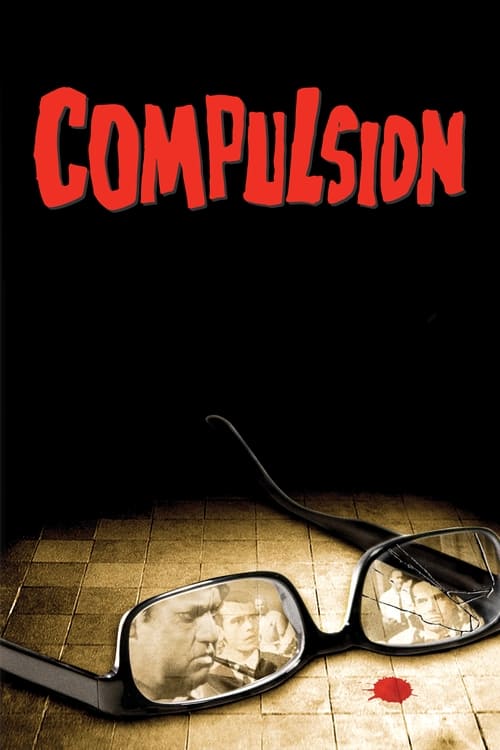
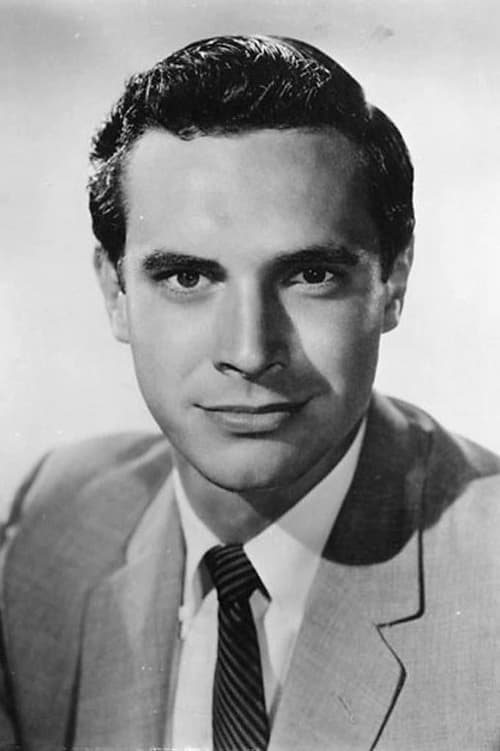
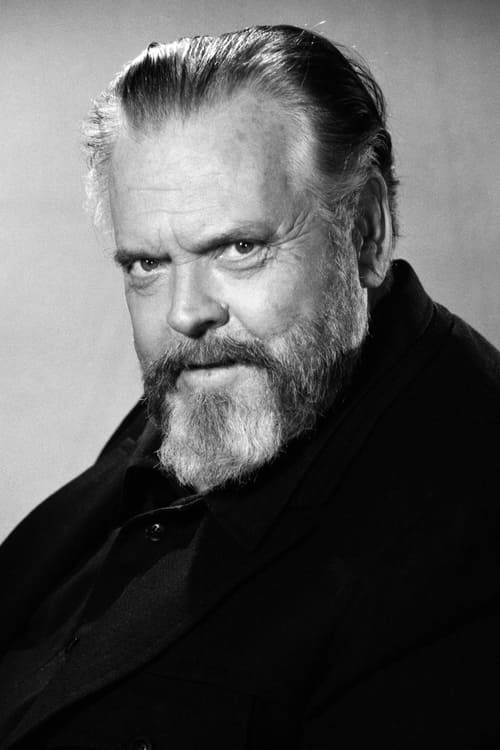
Compulsion is directed by Richard Fleischer and adapted to screenplay by Richard Murphy from the novel written by Meyer Levin. It stars Dean Stockwell, Bradford Dillman, Orson Welles and Diane Varsi. Music is by Lionel Newman and cinematography by William C. Mellor.
Based upon the real life Leopold and Loeb murder trial of the 1920s, Compulsion finds Artie Strauss (Dillman) and Judd Steiner (Stockwell…
read the rest.
Lets go watch them slaughter the sheep!
Compulsion is directed by Richard Fleischer and adapted to screenplay by Richard Murphy from the novel written by Meyer Levin. It stars Dean Stockwell, Bradford Dillman, Orson Welles and Diane Varsi. Music is by Lionel Newman and cinematography by William C. Mellor.
Based upon the real life Leopold and Loeb murder trial of the 1920s, Compulsion finds Artie Strauss (Dillman) and Judd Steiner (Stockwell) as two well to do young men attempting to commit the perfect crime - murder! But it wasn't so perfect after all and they soon find themselves on trial for their own lives. Enter famed attorney Jonathan Wilk (Welles), who fights to keep them from the death penalty.
Healthily rated in some quarters, it's a film that actually does divide opinions, which when all is considered is unsurprising given the capital punishment core of the story. The story builds superbly, brilliantly photographed and paced by cinematographer and director, and performed with imposing skills by Dillman and Stockwell. Then the crux of the film arrives in the form of Welles, who late in the play has the unenviable job of turning the piece into a soapbox anti capital punishment advertisement.
It's also a performance from Welles that has drawn major pros and cons in critical circles. Whatever your thoughts on capital punishment, Welles makes a telling acting mark. The sound mix could have been fine tuned, as Welles is prone to mumble during his speeches, but it remains gripping on court room drama terms, even if there's a little deflation - a feeling of anti-climax - after the build up had been so good. Not really capturing the notoriety of the real case, it's nonetheless a compelling piece and well worth seeking out. 7/10
show less
CinemaSerf
⭐ 7/10
September 15, 2026
It's not quite clear whether "Artie" (Bradford Dillman) and "Judd" (Dean Stockwell) are actually friends or whether the latter is merely an acolyte for his colleague at a law school where accumulated wealth and privilege have left both with quite a superiority complex. "Artie" is bored and determined to make his presence felt by committing the ultimate crime, and so together with his obedient friend they set about committing the heinous kidnappin…
read the rest.
It's not quite clear whether "Artie" (Bradford Dillman) and "Judd" (Dean Stockwell) are actually friends or whether the latter is merely an acolyte for his colleague at a law school where accumulated wealth and privilege have left both with quite a superiority complex. "Artie" is bored and determined to make his presence felt by committing the ultimate crime, and so together with his obedient friend they set about committing the heinous kidnapping and murder of the wealthy young "Paulie". In theory this is the perfect crime, except - "Judd" left his glasses at the scene of the crime and reporter "Sid" (Martin Miller) cottons on swiftly that they did not belong to the slain girl. It also turns out that local policeman "Johnson" (Robert F. Simon) is no slouch either and with enormous pressure bearing down on him from Chicago's great and good he sets in train a process that he hopes will ensnare his two suspects - hoist by their own petard style. Of course, getting a conviction requires a courtroom and it's there that DA "Horn" (Edward G. Marshall) thinks he can already start measuring the boys for noses. He hadn't bargained on their families employing the maverick and acerbic "Wilk" (Orson Welles) to try and save their lives, though. Can he convince a jury and a judge that these two teenagers ought not to hang? This is actually quite an intriguing drama, not because the crime - loosely based on real events - is so horrible, but because the closing statement from "Wilk" is so powerful. It's quite clear that he has a degree of disdain for these spoilt little rich men, but as you listen to his speech unfold and the camerawork focuses not just on him but on the jurors and the judge, we begin to become drawn in in quite an uncompromising, counterintuitive, fashion. What we might well have had done to the pair upon conviction becomes far less obvious, justifiable or even desired and just by spending those fifteen minutes broadening the conversation the character of "Wilk" demands answers to questions about the entire principle of the death penalty and whom, if anyone at all, it serves. Those scenes show Welles at his best, but also allow Marshall to play strongly too and with both building well on the foundations laid by a really quite effective pairing of Dillman and Stockwell this offers quite a different and provocative take on a crime noir.
show less