CinemaSerf
⭐ 6/10
September 25, 2026
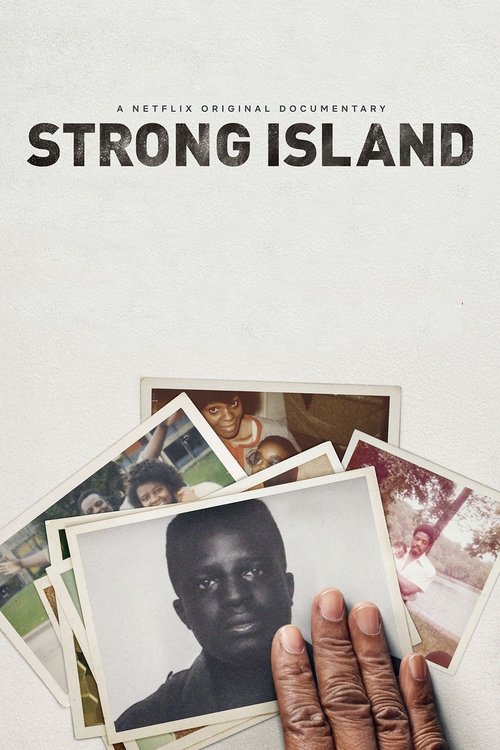
When African-American William Ford Jr. was murdered in New York's affluent Suffolk County in 1992, a grand jury declined to indict the nineteen year old man who was accused of the crime. The victim's brother Yance, a film-maker, spends the next couple of hours trying to establish whether this all-white jury (in a area where 85%+ of the population are white/white Hispanic) determined not to charge the accused because he, too, was white. Unfortunat…
read the rest.
When African-American William Ford Jr. was murdered in New York's affluent Suffolk County in 1992, a grand jury declined to indict the nineteen year old man who was accused of the crime. The victim's brother Yance, a film-maker, spends the next couple of hours trying to establish whether this all-white jury (in a area where 85%+ of the population are white/white Hispanic) determined not to charge the accused because he, too, was white. Unfortunately, what he delivers instead is a collection of melancholic video eulogies of this young man from his family that border on the dull. Of course, they are hurting as many - especially his mother - firmly believe that race played a defining part in the decision not to prosecute the alleged criminal, but Vance is simply too close to this topic to be remotely focussed or objective. He provides us with some emotionally-charged monologues, carefully and often glacially paced, to add weight to the poignancy of their comments - but the very style of his photography has to make anyone watching wonder just how spontaneous and unrehearsed these pieces to camera actually were. He brings little akin to evidence in support of his, or his family's, assertions but instead starts out from a standpoint that is indisputable - his brother was slain - and then attempts to prove a level of societal bigotry based on as many generic assumptions about white folks and their attitudes as he can pack into two hours. He is relying on the audience being inherently sympathetic to his stance without recruiting anyone from the judicial process, or even one of the grand jurors themselves, to explain just why they unanimously concluded that the claim of self-defence was acceptable. I felt like we were being coralled into supporting a perspective all too unsubtly, and the attempts to contextualise the victim came across as just a little on the contrived side. That's not to explain away the horrors of his killing, nor of the distress caused to his family, but once we have established the scenario, this documentary doesn't really take us anywhere nor offer us anything remotely balanced from the - presumably conflicting - "facts" that any jury might have seen before reaching their own verdict.
show less


 Netflix
 Netflix Standard with Ads